Introduction
como hacer capirotada is one of the most beloved traditional desserts in Mexican cuisine. Rich in history, flavor, and symbolism, this comforting bread pudding has been enjoyed by families for generations, especially during Lent and Semana Santa celebrations. If you have ever wondered “como hacer capirotada,” you are about to discover everything you need to know about this sweet and satisfying dish. From its cultural roots to step-by-step preparation tips, capirotada is more than just a dessert—it is a culinary tradition that brings people together around the table.
Unlike ordinary bread pudding recipes,como hacer capirotada unique ingredients such as toasted bread, piloncillo syrup, cinnamon, raisins, peanuts, and cheese. The mixture of sweet and savory flavors creates a delicious contrast that makes the dish unforgettable. Every family often has its own variation, which means there are countless ways to prepare this classic recipe. Some versions are creamy and rich, while others are lighter and more traditional. No matter the style, capirotada always delivers warmth and comfort with every bite.
Learning how to make como hacer capirotada is easier than many people think. With a few simple ingredients and the right techniques, you can create a homemade dessert that tastes authentic and flavorful. Whether you are preparing it for a religious holiday, a family dinner, or simply to explore Mexican cooking traditions, this recipe is an excellent addition to your kitchen repertoire. In this guide, you will learn the history of como hacer capirotada , the essential ingredients, expert cooking tips, and several delicious variations that you can try at home.
What Is Capirotada?
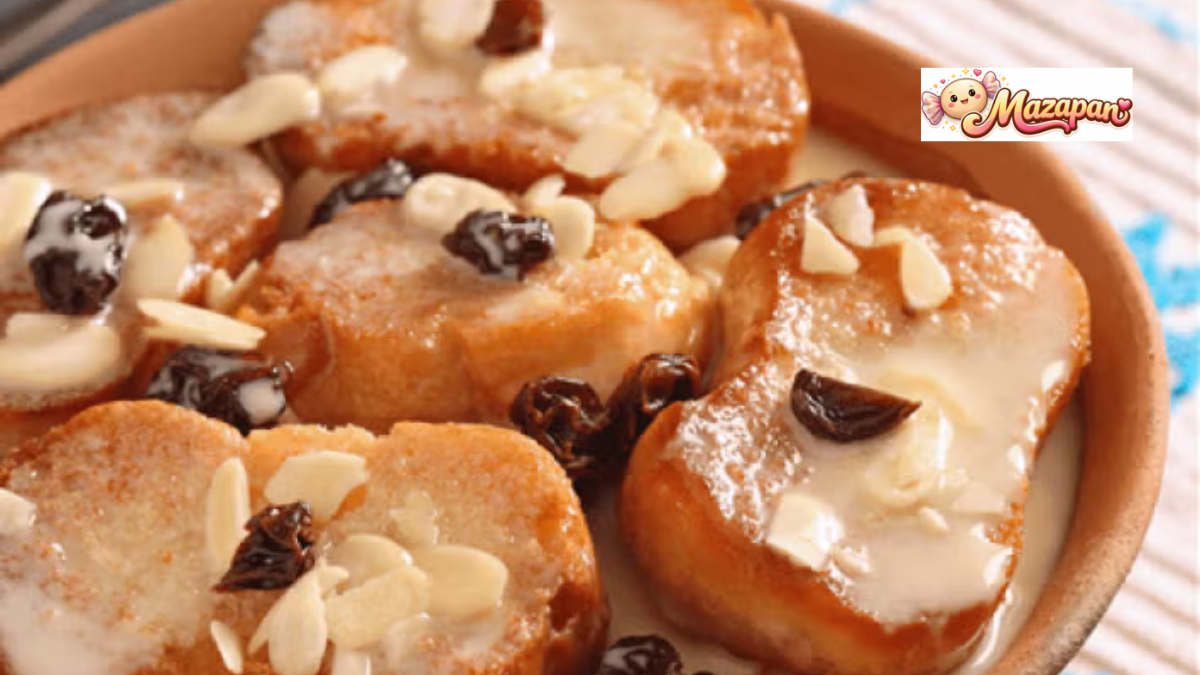
Capirotada is a traditional Mexican bread pudding made by layering toasted bread with a sweet syrup flavored with piloncillo, cinnamon, and cloves. The dessert is commonly topped with raisins, nuts, coconut, and cheese before being baked until golden and fragrant. Although it may sound simple, the flavor profile is surprisingly complex. The sweetness of the syrup blends beautifully with the saltiness of the cheese, while the spices add warmth and depth to every bite.
The origins of capirotada date back hundreds of years and are heavily influenced by Spanish cuisine. Historians believe the recipe evolved from European bread puddings brought to Mexico during colonial times. Over the centuries, Mexican families adapted the dish using local ingredients and traditions, creating the unique version we know today. Because the recipe uses leftover bread, como hacer capirotada also became a practical way to reduce food waste while preparing a comforting family dessert.
One of the most fascinating aspects of como hacer capirotada is its religious symbolism. Traditionally eaten during Lent, the ingredients are believed to represent elements of the crucifixion of Jesus Christ. For example, the bread symbolizes the body of Christ, the syrup represents blood, cinnamon sticks resemble wooden crosses, and cloves symbolize nails. This deep cultural and spiritual connection is one reason why capirotada remains such an important part of Mexican heritage.
Today, como hacer capirotada continues to evolve with modern tastes and creative twists. Some recipes include condensed milk, chocolate, or fruit, while others stay true to the classic preparation methods passed down through generations. Regardless of the variation, capirotada remains a treasured comfort food enjoyed throughout Mexico and beyond.
Essential Ingredients for Capirotada
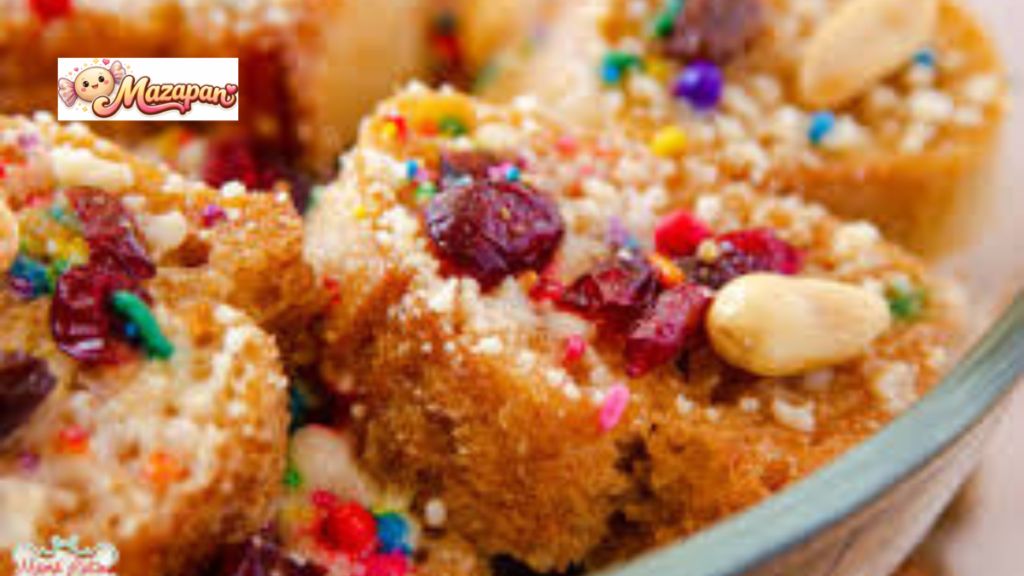
The key to making authentic como hacer capirotada starts with selecting the right ingredients. Traditional recipes typically use bolillo bread or French bread because these breads hold their structure well after soaking in syrup. Slightly stale bread is preferred because it absorbs the liquid without becoming overly mushy. Toasting the bread beforehand also helps create the ideal texture and enhances the flavor of the finished dish.
Piloncillo is another essential ingredient that gives como hacer capirotada its signature sweetness. Piloncillo is an unrefined Mexican cane sugar with a rich caramel-like flavor that cannot easily be replaced. When combined with water, cinnamon sticks, and cloves, it creates a fragrant syrup that soaks into the bread layers. This syrup is what gives capirotada its warm, comforting taste and aromatic quality.
como hacer capirotada Traditional toppings often include raisins, peanuts, shredded coconut, and cheese. While the combination may seem unusual at first, the balance of sweet and salty flavors is what makes capirotada so distinctive. Mexican cheeses such as queso fresco or cotija are commonly used because they provide a mild salty contrast to the sweet syrup. Some families also add bananas, pecans, almonds, or apples for extra texture and flavor.
como hacer capirotada Modern recipes frequently include evaporated milk, sweetened condensed milk, or cream for a richer and creamier dessert. These ingredients create a softer texture and sweeter taste that many people enjoy. Whether you choose a traditional or modern version, using quality ingredients is essential for achieving the best flavor and authenticity.
Step-by-Step Guide on Como Hacer Capirotada
The first step in making como hacer capirotada is preparing the bread. Slice the bread into medium-sized pieces and lightly toast them in the oven or on a skillet until they become crisp and golden. Toasting prevents the bread from becoming soggy once the syrup is added. Some cooks also spread a small amount of butter on the bread to enhance the flavor and texture during baking.
Next, prepare the piloncillo syrup. In a saucepan, combine water, piloncillo, cinnamon sticks, como hacer capirotada and cloves. Simmer the mixture until the sugar completely dissolves and the syrup thickens slightly. The aroma that fills the kitchen during this step is one of the most enjoyable parts of making capirotada. Once the syrup is ready, strain it to remove the cloves and cinnamon sticks if desired.
Now it is time to assemble the como hacer capirotada . Start by placing a layer of toasted bread in a greased baking dish. Sprinkle raisins, nuts, coconut, and cheese over the bread, then pour some syrup evenly across the layer. Repeat the process until all the ingredients are used. The layers help distribute the flavors evenly throughout the dessert while creating a beautiful texture.
Bake the capirotada in a preheated oven until the top becomes golden and the syrup is fully absorbed. This usually takes around 30 to 40 minutes. Allow the dessert to cool slightly before serving so the flavors can settle. Capirotada can be enjoyed warm or cold, depending on personal preference, and it pairs wonderfully with coffee or Mexican hot chocolate.
Tips for Making the Best Capirotada
One of the most common mistakes when making capirotada is using bread that is too fresh. Fresh bread absorbs too much liquid and can turn mushy during baking. Slightly stale or toasted bread works best because it maintains its structure while soaking up the flavorful syrup. If your bread is fresh, simply toast it longer to achieve the right consistency.
Another important tip is to avoid over-saturating the layers with syrup. While the bread should absorb enough liquid to become soft, too much syrup can make the dessert overly wet. Pour the syrup gradually and evenly across each layer to maintain a balanced texture. Allowing the syrup to rest for a few minutes before layering can also help deepen the flavor.
Using high-quality spices makes a significant difference in the final result. Fresh cinnamon sticks and whole cloves create a richer and more authentic aroma compared to ground spices. Additionally, using freshly grated cheese instead of pre-packaged varieties enhances both the taste and texture of the dish.
Capirotada stores very well, making it a convenient dessert for gatherings and celebrations. You can refrigerate leftovers for several days and reheat them in the oven or microwave before serving. Some people even believe capirotada tastes better the next day because the flavors continue to blend and intensify over time.
Popular Variations of Capirotada
Traditional capirotada remains the favorite version for many families, but modern variations continue to gain popularity. Creamy capirotada made with evaporated milk or condensed milk has a softer texture and richer flavor. This variation is especially appealing to those who enjoy sweeter desserts with a custard-like consistency.
Fruit-filled capirotada is another delicious option. Adding bananas, apples, or dried fruits introduces natural sweetness and extra texture to the dish. Pecans, almonds, and walnuts are also popular additions that provide crunch and depth. These ingredients allow home cooks to personalize the recipe according to their preferences.
For those following a plant-based lifestyle, vegan capirotada is an excellent alternative. Dairy-free milk, vegan butter, and plant-based cheese substitutes can easily replace traditional ingredients without sacrificing flavor. Coconut milk is especially popular in vegan versions because it complements the warm spices beautifully.
Regional variations across Mexico also make capirotada unique. Some areas prepare it with tomatoes and onions for a savory touch, while others include colorful candies or chocolate. These differences reflect the diversity of Mexican cuisine and demonstrate how one traditional recipe can evolve in many creative ways.
Conclusion
Learning “como hacer capirotada” is more than simply preparing a dessert—it is about experiencing a meaningful piece of Mexican culinary tradition. This comforting bread pudding combines sweet, savory, and spiced flavors into a dish that has been cherished for generations. From its religious symbolism to its family-centered preparation, capirotada represents warmth, heritage, and celebration.
Whether you choose a classic recipe or experiment with modern variations, capirotada is a dessert that invites creativity and connection. Its rich flavors, simple ingredients, and cultural significance make it a timeless addition to any table. By following the tips and techniques in this guide, you can create a delicious homemade capirotada that honors tradition while satisfying modern tastes.
FAQs
What does capirotada taste like?
Capirotada has a sweet, warm, and slightly savory flavor with hints of cinnamon, caramel, raisins, and cheese.
Can I make capirotada ahead of time?
Yes, capirotada can be prepared in advance and refrigerated until ready to serve.
What bread works best for capirotada?
Bolillo bread or French bread works best because it holds its texture after soaking in syrup.
Can I use regular sugar instead of piloncillo?
Yes, but piloncillo provides a deeper caramel flavor that is more authentic.
Is capirotada served hot or cold?
It can be enjoyed both warm and chilled depending on personal preference.
How long does capirotada last in the refrigerator?
Properly stored capirotada can last up to 5 days in the refrigerator.
Can capirotada be frozen?
Yes, it freezes well for several weeks when stored in an airtight container.
What cheese is traditionally used in capirotada?
Queso fresco or cotija cheese are common traditional choices.
Is capirotada only eaten during Lent?
Although traditionally associated with Lent, many people enjoy it year-round.
How do I prevent capirotada from becoming soggy?
Toast the bread well and avoid adding excessive syrup to the layers.
Also Read: creamy chipotle chicken recipe