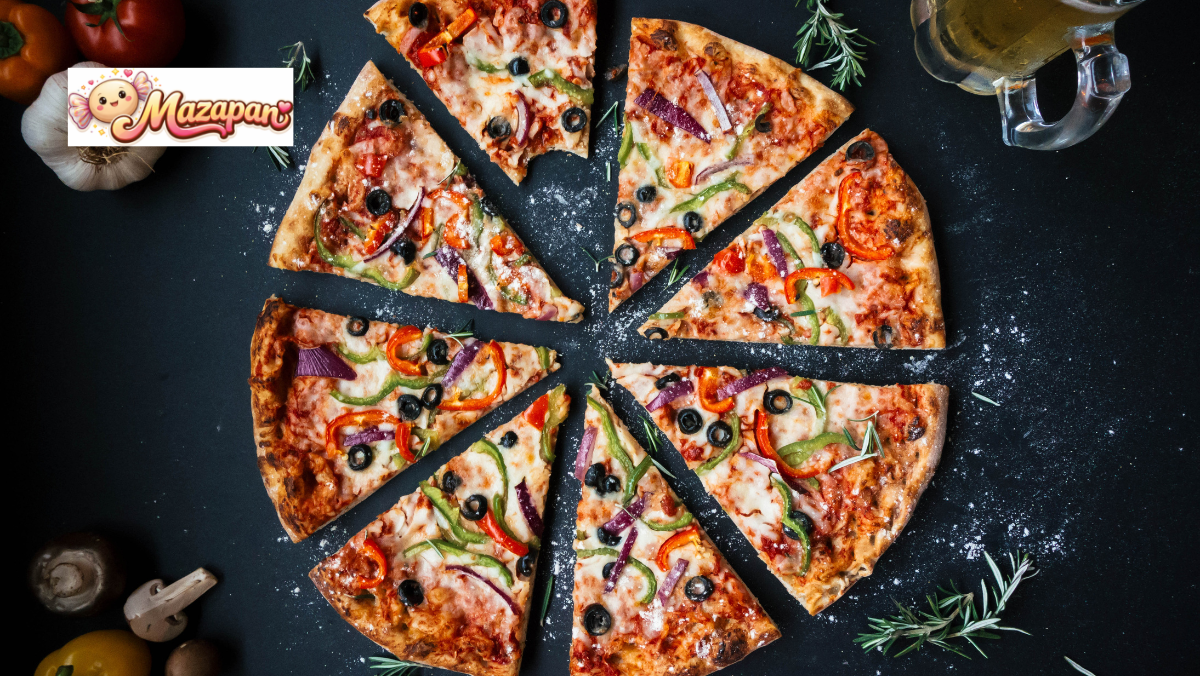
Pizza is one of the most popular foods in the world, enjoyed by millions of people every day across different cultures and continents. From small neighborhood pizzerias to gourmet restaurants and home kitchens, has become a universal comfort food that combines simplicity with endless creativity. Its irresistible blend of crispy crust, flavorful sauce, melted cheese, and carefully selected toppings makes it suitable for every occasion, whether it is a family dinner, a party with friends, or a quick weekday meal. Because of its adaptability, has evolved into countless regional styles, allowing every community to put its own unique spin on this timeless classic.
The beauty of pizza lies not only in its taste but also in its versatility. Traditional recipes celebrate fresh ingredients and simple preparation methods, while modern versions experiment with innovative toppings, alternative crusts, and health-conscious ingredients. Today, people can enjoy vegetarian, gluten-free crusts, vegan cheeses, stuffed varieties, and gourmet combinations that showcase local flavors from around the globe. This flexibility has helped remain relevant across generations and dietary preferences, making it one of the most searched and discussed culinary topics online.
In this comprehensive guide, you’ll discover the fascinating history of, learn about its essential ingredients, explore famous regional styles, and uncover practical tips for making delicious homemade pizza. Whether you are an experienced cook or a complete beginner, understanding the fundamentals behind great can elevate your appreciation for this iconic dish and inspire you to create memorable meals in your own kitchen.
What Is Pizza?
Pizza is a baked dish that traditionally consists of a flattened dough base topped with tomato sauce, cheese, herbs, and a variety of optional ingredients before being cooked at high temperatures. Although the basic concept appears simple, every component plays an important role in creating the final flavor and texture. The dough provides structure and chewiness, the sauce contributes acidity and sweetness, the cheese adds richness and creaminess, while toppings introduce layers of complexity that make every slice unique.
One reason pizza has gained worldwide popularity is its incredible adaptability. Home cooks and professional chefs alike can personalize recipes using local ingredients, seasonal vegetables, premium meats, seafood, or specialty cheeses. This ability to customize makes suitable for diverse tastes and cultural preferences while maintaining its recognizable identity. From minimalist Margherita pizzas to elaborate gourmet creations loaded with ingredients, the possibilities are nearly limitless.
Modern is also appreciated for its convenience. It can be prepared in advance, frozen for later use, or assembled quickly for busy families seeking satisfying meals. Restaurants have further expanded appeal by offering individual servings, family-sized pies, and customizable menus where customers select their preferred crusts and toppings. As a result, has become more than just food—it has become a social experience shared at celebrations, sporting events, and casual gatherings.
The Fascinating History of Pizza
The roots of stretch back thousands of years to ancient civilizations that baked flatbreads and topped them with herbs, oils, and simple ingredients. Cultures throughout the Mediterranean prepared variations of these breads, recognizing that baked dough served as an excellent foundation for flavorful additions. While these early creations differed from today’s, they established the concept of combining bread with toppings into a convenient and satisfying meal.
The version most people recognize today originated in Naples, Italy, where working-class communities developed affordable flatbreads topped with tomatoes, cheese, garlic, and local herbs. As tomatoes became widely accepted in European cuisine, they transformed these humble dishes into recognizable pizzas. Skilled bakers refined their techniques, using high-temperature ovens to create crusts with crispy exteriors and soft interiors that remain hallmarks of authentic Italian.
Over time, migration carried beyond Italy to countries around the world. New regional interpretations emerged, adapting recipes to local tastes and available ingredients. In some places, thicker crusts became popular, while others embraced oversized slices, stuffed varieties, or creative topping combinations. Today, represents a remarkable example of culinary evolution, demonstrating how a simple dish can inspire countless interpretations while retaining its core identity.
Essential Ingredients That Make Great Pizza
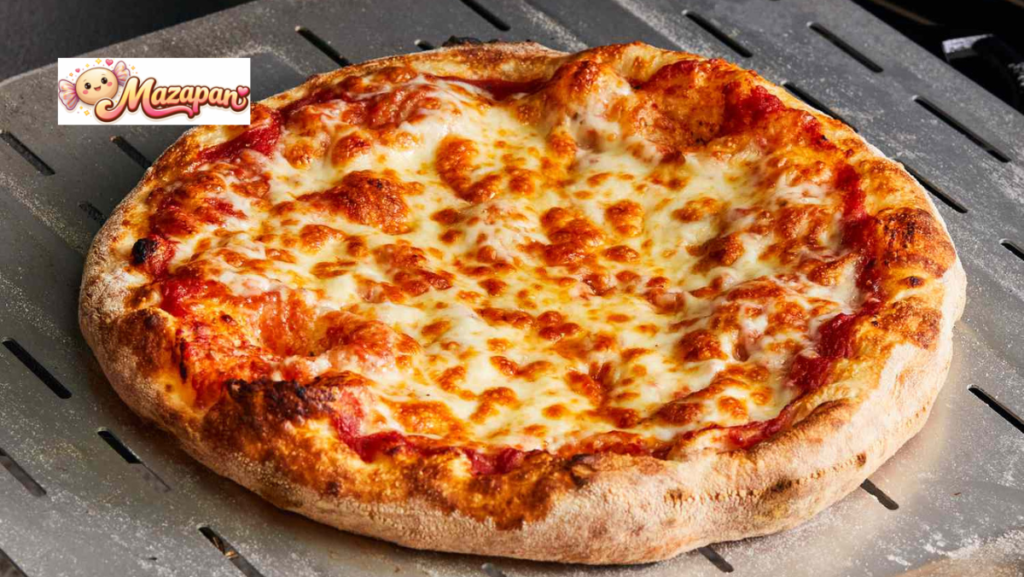
Exceptional pizza begins with exceptional ingredients. Flour forms the foundation of the dough, influencing elasticity, chewiness, and crust texture. High-protein bread flour is commonly used for strong gluten development, while specialty flours can create lighter or crispier results depending on the desired style. Water, yeast, salt, and fermentation time further determine flavor complexity, making dough preparation one of the most critical aspects of making.
The sauce also plays a defining role. Many traditional rely on crushed tomatoes seasoned lightly with salt and herbs to preserve natural sweetness and acidity. Others incorporate garlic, olive oil, basil, oregano, or chili flakes for additional character. Rather than overpowering the, an excellent sauce complements the dough and toppings while maintaining balance across every bite.
Cheese selection significantly affects taste and texture. Fresh mozzarella delivers creamy richness and attractive melt characteristics, while aged cheeses provide sharper flavors and browning capabilities. Premium toppings—including vegetables, cured meats, mushrooms, seafood, herbs, and specialty oils—should enhance rather than overwhelm the base ingredients. When combined thoughtfully, these elements produce that are balanced, flavorful, and memorable.
Conclusion
Pizza has earned its place as one of the world’s most beloved dishes by combining simple ingredients with limitless possibilities. From its humble beginnings as a traditional Italian flatbread to the countless regional and modern variations enjoyed today, continues to bring people together through its rich flavors, satisfying textures, and remarkable versatility. Whether you prefer a classic Margherita, a deep-dish specialty, or a creative homemade recipe loaded with unique toppings, there is a pizza style to suit every taste and occasion.
Making great pizza is about more than following a recipe—it’s about understanding the balance between quality dough, flavorful sauce, fresh cheese, and thoughtfully chosen toppings. By experimenting with ingredients and baking techniques, anyone can create delicious pizzas at home while appreciating the craftsmanship behind this iconic meal. As culinary trends evolve and new flavors emerge, pizza remains a timeless favorite that continues to inspire chefs, home cooks, and food lovers around the globe.
Frequently Asked Questions (FAQs)
What is pizza made of?
Pizza is typically made with dough, tomato sauce, cheese, and a variety of toppings such as vegetables, meats, herbs, and seasonings. The ingredients can vary depending on the recipe and regional style.
Where did pizza originate?
Modern pizza originated in Naples, Italy, where bakers created simple flatbreads topped with tomatoes, cheese, and herbs. It later gained worldwide popularity and evolved into many different styles.
What is the most popular type of pizza?
Some of the most popular pizza styles include Margherita, Pepperoni, New York-style, Neapolitan, Chicago deep-dish, and Sicilian pizza. Preferences vary by country and region.
Which cheese is best for pizza?
Mozzarella is the most commonly used cheese because it melts evenly and provides a creamy texture. Many recipes also combine mozzarella with Parmesan, provolone, or cheddar for added flavor.
How can I make pizza dough at home?
Homemade pizza dough is made by mixing flour, water, yeast, salt, and olive oil. After kneading, the dough should be allowed to rise before shaping and baking.
What temperature is best for baking pizza?
For homemade ovens, a temperature between 450°F and 500°F (230°C–260°C) usually produces great results. Professional pizza ovens often cook at much higher temperatures for a crisp crust.
Can pizza be part of a healthy diet?
Yes. Choosing whole-grain crusts, plenty of vegetables, lean proteins, moderate cheese, and sensible portion sizes can make pizza a balanced meal.
What are the best pizza toppings?
Popular toppings include pepperoni, mushrooms, onions, olives, bell peppers, sausage, bacon, chicken, spinach, tomatoes, basil, and fresh mozzarella. The best combination depends on personal taste.
Also Read: halal food near me