
Introduction
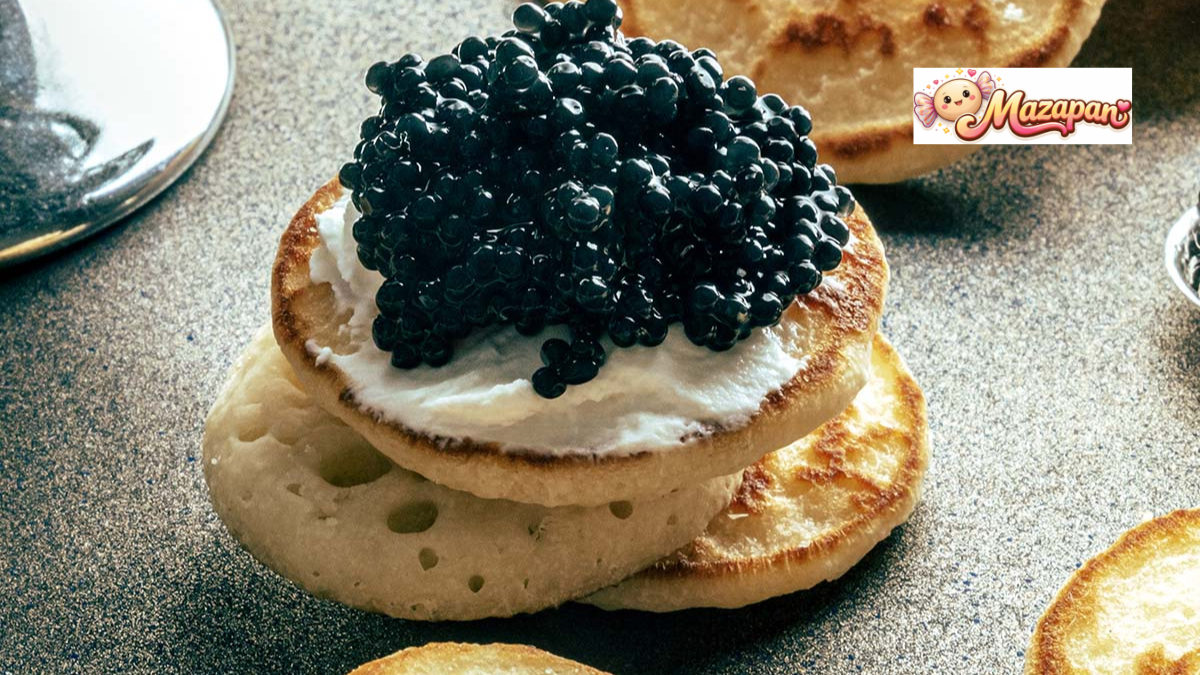
The blini recipe for caviar is one of the most iconic and luxurious pairings in Russian cuisine, blending soft, delicate pancakes with the rich, briny elegance of fine caviar. Blinis are small, fluffy, and slightly tangy pancakes that serve as the perfect base for gourmet toppings, especially caviar, sour cream, and fresh herbs. This classic appetizer is often served at celebrations, weddings, and festive gatherings, where presentation and flavor are equally important.
What makes the blini recipe for caviar so special is its balance of simplicity and sophistication. While the ingredients are humble—flour, eggs, milk, and yeast—the result is a refined bite-sized delicacy that feels indulgent and celebratory. When paired with caviar, blinis transform into a gourmet experience that highlights texture, saltiness, and richness in every bite. In this guide, you will learn how to prepare authentic blinis, choose the right ingredients, cook them perfectly, and serve them like a professional chef.
What Are Blinis?
blini recipe for caviar are traditional Russian pancakes that are smaller, softer, and more delicate than typical Western pancakes. Historically, they were made using buckwheat flour and yeast, giving them a slightly earthy flavor and airy texture. Over time, the recipe evolved, and modern versions often use wheat flour or a combination of flours for a lighter result. The blini recipe for caviar specifically focuses on creating small, uniform pancakes that can hold toppings without overpowering their flavor.
In Russian culture, blinis are deeply symbolic and often associated with celebration and hospitality.blini recipe for caviar They are traditionally served during festivals like Maslenitsa, which marks the end of winter and the arrival of spring. Today, blinis have become a global gourmet staple, particularly in fine dining settings where caviar is served as a luxury topping. Their neutral yet rich flavor profile makes them the ideal canvas for high-end ingredients.
Unlike regular pancakes, blinis are less sweet and more neutral in taste. This subtle flavor allows the toppings—especially caviar—to shine. Their slightly spongy texture absorbs creamy accompaniments like crème fraîche while maintaining enough structure to hold delicate roe without collapsing. This makes them essential in any elegant appetizer spread.
Ingredients for the Perfect Blini Recipe for Caviar
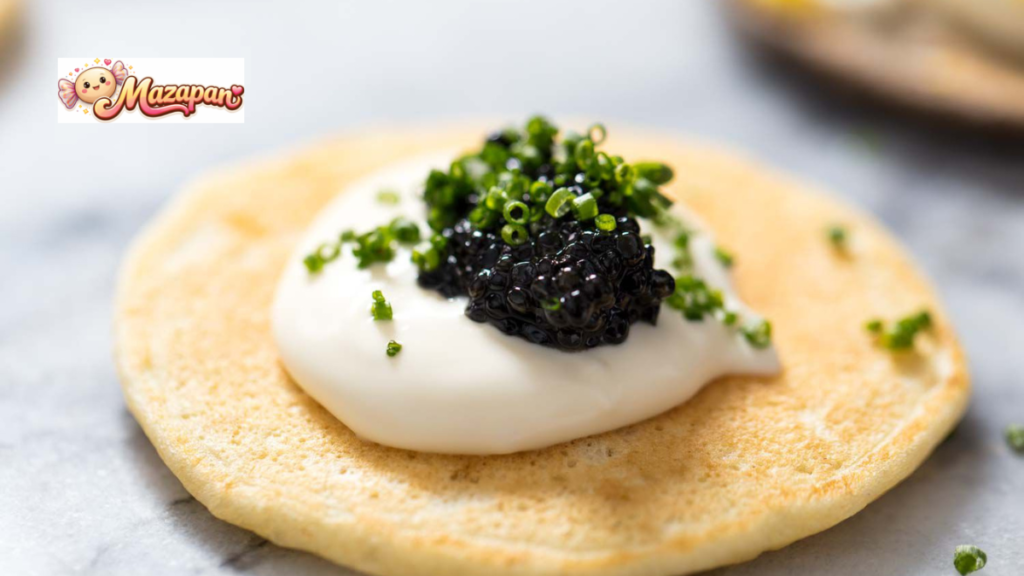
The success of a blini recipe for caviar depends heavily on using the right ingredients in the right proportions. Traditional blinis require flour, eggs, milk, yeast or baking powder, salt, and butter. Some authentic versions also include buckwheat flour for a deeper, nuttier flavor. The batter should be smooth, slightly thick, and pourable, allowing small even rounds to form during cooking.
When choosing blini recipe for caviar, quality is essential. Premium sturgeon varieties such as Osetra or Beluga are traditionally preferred, offering a delicate briny flavor that pairs perfectly with blinis. More affordable options like salmon roe or trout roe also work well and still create a luxurious presentation when served properly.
Additional toppings elevate the dish further. Crème fraîche or sour cream adds creamy richness, while fresh dill, chives, and finely chopped onions bring freshness and contrast. Some modern versions also include smoked salmon or lemon zest for added complexity and brightness.
Step-by-Step Blini Recipe for Caviar
Preparing the blini recipe for caviar begins with the batter. Warm milk is mixed with yeast and left to activate until foamy. Flour and salt are combined in a separate bowl, then eggs and melted butter are added. The yeast mixture is slowly incorporated until a smooth batter forms. Resting the batter for 45–60 minutes is essential to create airy, fluffy blinis.
A non-stick pan is heated over medium-low heat and lightly greased with butter. Small spoonfuls of batter are poured into the pan to form mini pancakes. Each blini should be uniform in size for elegant presentation. They are cooked for 1–2 minutes per side until golden and lightly puffed.
Once cooked, blinis should cool slightly before assembling. A small amount of crème fraîche is spread on each one, followed by a delicate spoonful of caviar. Fresh herbs like dill or chives can be added for garnish. The key is balance—each bite should be refined, not overloaded.
Variations of Blini Recipes
While the traditional blini recipe for caviar is the most authentic, several variations exist. Buckwheat blinis are the classic version, offering a deeper flavor that pairs beautifully with caviar. They are slightly denser but more traditional.
Quick blinis made without yeast are another popular option. These use baking powder instead, making the process much faster while still producing soft and tasty results. They are ideal for quick entertaining or last-minute preparation.
Gluten-free and vegan versions are also possible using alternative flours and plant-based ingredients. These modern adaptations ensure that everyone can enjoy blinis regardless of dietary restrictions.
Best Pairings with Blinis and Caviar
The blini recipe for caviar is traditionally paired with champagne or sparkling wine, as the bubbles help cleanse the palate and enhance the richness of the dish. Vodka is also a classic Russian pairing, served chilled for a clean, sharp contrast to the creamy toppings.
Blinis also pair well with smoked salmon, seafood platters, light salads, and cheese boards. These combinations are often used in elegant appetizer spreads for parties, weddings, and holiday gatherings.
Common Mistakes to Avoid
A common mistake in preparing the blini recipe for caviar is overmixing the batter, which results in dense blinis instead of soft, airy ones. Cooking at too high heat can also cause uneven texture, burning the outside while leaving the inside undercooked.
Another mistake is adding too much topping. Blinis are delicate and should support, not be overwhelmed by, caviar and cream. Proper balance is key to achieving elegance.
Conclusion
The blini recipe for caviar is a timeless culinary tradition that combines simplicity with luxury. With the right ingredients and careful preparation, anyone can create elegant, restaurant-quality blinis at home. Their soft texture and neutral flavor make them the perfect base for rich, salty caviar and creamy accompaniments.
Whether served at a formal dinner, holiday celebration, or intimate gathering, blinis bring sophistication to any table. Once mastered, this recipe becomes a versatile foundation for endless gourmet creations.
FAQs
What is the best flour for blinis?
Wheat flour is commonly used, but buckwheat flour offers a more authentic flavor.
Can I make blinis ahead of time?
Yes, they can be prepared in advance and gently reheated before serving.
Do blinis require yeast?
Traditional recipes use yeast, but baking powder can be used for quicker versions.
What caviar works best with blinis?
Osetra or Beluga are ideal, but salmon roe is a more affordable alternative.
Can blinis be frozen?
Yes, cooked blinis freeze well and can be reheated without losing quality.
Are blinis sweet or savory?
They are lightly savory, making them perfect for caviar and other toppings.
What toppings go well besides caviar?
Smoked salmon, sour cream, and fresh herbs are popular alternatives.
How do I keep blinis soft?
Avoid overcooking and store them in an airtight container to retain moisture.
Also Read: ginger beer recipe with ginger bug