
Introduction
Making a ginger beer recipe with ginger bug at home is one of the most rewarding ways to explore natural fermentation. This traditional drink combines fresh ginger, sugar, water, and a living ginger bug culture to create a naturally fizzy beverage without commercial yeast or artificial carbonation. The result is a bold, spicy, and refreshing drink that feels far more authentic than store-bought soda.
ginger beer recipe with ginger bug has gained popularity as people look for healthier, more natural alternatives to processed soft drinks. Instead of relying on artificial flavors or preservatives, this recipe uses wild fermentation to create carbonation. The ginger bug acts as a natural starter, similar to sourdough, bringing life to the drink and producing gentle fizz over time.
Another reason this drink stands out is its flexibility. You can adjust sweetness, spice levels, and even experiment with fruits or herbs. Each batch becomes slightly different, which makes the brewing process creative and enjoyable.
What Is Ginger Beer?
ginger beer recipe with ginger bug is a fermented beverage made from ginger, sugar, water, and a natural culture. Despite its name, most homemade versions are non-alcoholic or contain only trace alcohol due to short fermentation times. The drink is known for its strong ginger flavor and natural carbonation.
Historically,ginger beer recipe with ginger bug originated in the 18th century and was widely brewed in households before refrigeration existed. Early versions relied on natural fermentation using wild yeast. Over time, commercial producers replaced fermentation with artificial carbonation, which led to a sweeter but less complex drink.
ginger beer recipe with ginger bug is often confused with ginger beer recipe with ginger bug ale, but they are very different. Ginger ale is usually a sweet soda flavored with ginger, while ginger beer is fermented and has a deeper, spicier taste. The fermentation process gives ginger beer its signature complexity and natural fizz.
Understanding the Ginger Bug
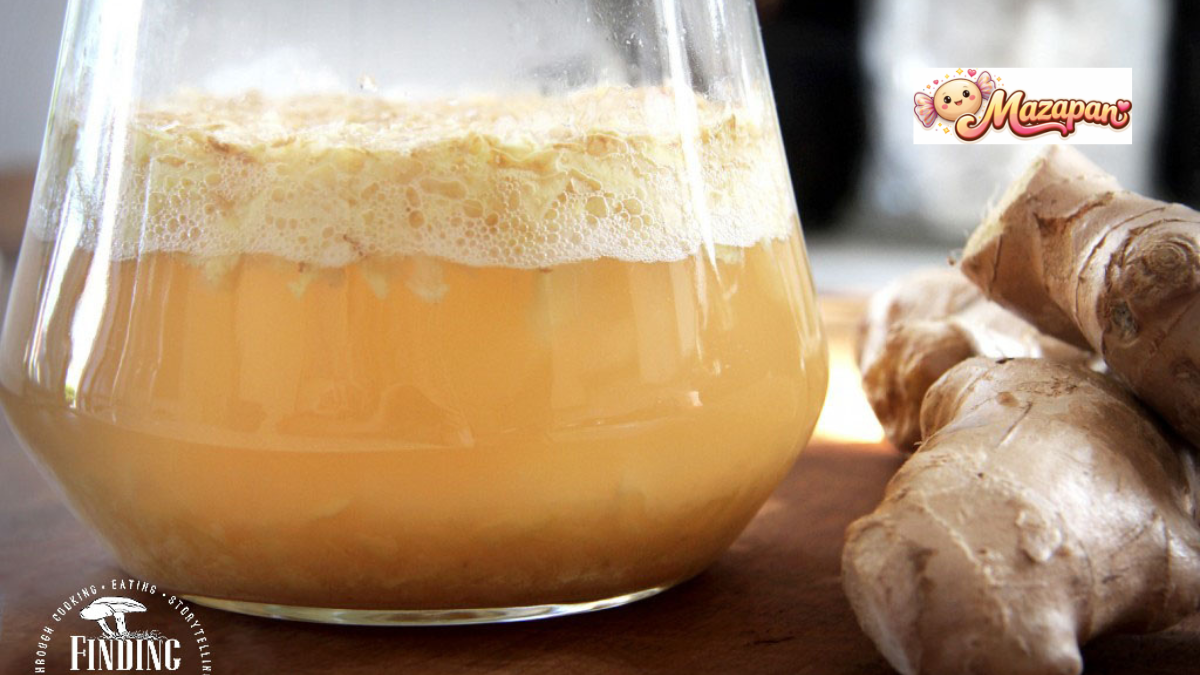
A ginger beer recipe with ginger bug is a natural starter culture made from ginger beer recipe with ginger bug, sugar, and water. It captures wild yeast and beneficial bacteria from the environment and ginger skin, creating a living fermentation base.
To create a ginger bug, fresh ginger beer recipe with ginger bug is grated and mixed with sugar and water in a jar. It is fed daily with more ginger and sugar. After a few days, bubbles begin to appear, showing that fermentation is active. This bubbling indicates that the culture is ready to ferment ginger beer.
The key to a successful ginger beer recipe with ginger bug is consistency. It needs regular feeding and a clean environment. Filtered water is recommended because chlorine can slow down or stop fermentation. A healthy ginger bug smells fresh, slightly sweet, and gingery.
If the mixture smells rotten or shows mold, it should be discarded. However, when properly maintained, a ginger bug can last indefinitely and be reused for many batches of ginger beer.
Ingredients for Ginger Beer Recipe with Ginger Bug
The base ingredients for ginger beer are simple and easy to find. Fresh ginger provides the main flavor, sugar feeds fermentation, and water acts as the base liquid. Lemon juice is often added for brightness and balance.
Optional ingredients include spices like cinnamon or cloves, or fruits like pineapple and apple for variation. These additions allow you to customize your ginger beer to suit different tastes.
Clean glass jars, fermentation bottles, and strainers are also important. Proper equipment ensures safe fermentation and prevents contamination.
Step-by-Step Ginger Beer Recipe with Ginger Bug
The process begins by preparing a ginger base. Fresh ginger is grated or chopped and simmered in water with sugar. This extracts flavor and creates a strong ginger infusion.
Once the mixture is cooked, it must cool completely before adding the ginger bug. Adding it while hot can kill the beneficial microorganisms and stop fermentation.
After cooling, the ginger bug is stirred into the liquid. The mixture is then poured into fermentation bottles or jars. At this stage, fermentation begins.
Primary fermentation usually lasts one to three days. During this time, natural yeast consumes sugar and produces carbon dioxide, creating bubbles. You may notice pressure building inside the bottles.
Secondary fermentation is where carbonation develops further. The bottles are sealed tightly and left at room temperature. This step must be monitored carefully to avoid over-pressurization. Once the desired fizz is achieved, the bottles are moved to the refrigerator to slow fermentation.
The final drink is crisp, spicy, and naturally sparkling.
Tips for Perfect Ginger Beer
Balancing flavor is key. Too much ginger can make the drink overpowering, while too little may reduce its signature kick. Adjusting sugar levels also affects both taste and carbonation.
To increase fizz, allow slightly longer fermentation or ensure the ginger beer recipe with ginger bug is very active. However, over-fermentation should be avoided as it can lead to excessive pressure.
Cleanliness is extremely important. All tools and bottles should be sanitized to prevent unwanted bacteria growth.
Health Benefits of Ginger Beer
Homemade ginger beer made with a ginger bug may contain natural probiotics that support digestion. These beneficial bacteria form during fermentation and can contribute to gut health.
Ginger itself is known for its medicinal properties. It may help reduce nausea, improve digestion, and support the immune system. This makes ginger beer more than just a refreshing drink—it can also offer wellness benefits.
Unlike commercial sodas, homemade versions do not contain artificial preservatives or chemicals. You also control the sugar content, making it a more mindful beverage choice.
Variations of Ginger Beer
You can experiment with different flavors to create unique versions. Lemon ginger beer adds citrus freshness, while pineapple ginger beer brings a tropical twist. Spiced versions with cinnamon or cloves offer warmth and depth.
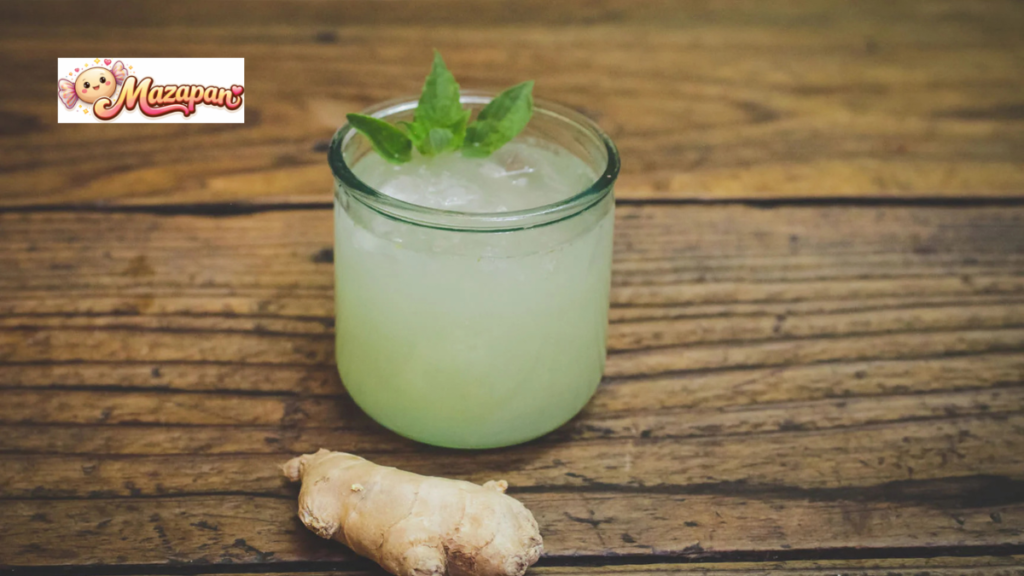
Herbal variations using mint or basil can create a refreshing summer drink. Each variation changes the character of the beverage while maintaining the core fermentation process.
Serving and Storage
Ginger beer is best served chilled over ice. It pairs well with fresh fruit slices or herbs for garnish. It can also be used in cocktails like a Moscow Mule or enjoyed as a standalone drink.
Once refrigerated, homemade ginger beer can last one to three weeks. Over time, carbonation may continue slowly, so bottles should always be stored carefully.
Common Mistakes to Avoid
One common mistake is using chlorinated water, which can stop fermentation. Another is bottling too early or using weak containers, which can lead to poor carbonation or safety risks.
Ignoring fermentation signs like bubbling or pressure changes can also affect results. Paying attention to these details ensures consistent success.
Conclusion
A ginger beer recipe with ginger bug is a simple yet fascinating way to explore natural fermentation at home. It combines tradition, creativity, and science into one refreshing drink. With just a few ingredients and a little patience, you can create a naturally fizzy beverage that is far superior to commercial sodas.
The process may take a few attempts to master, but each batch teaches something new. Over time, you can adjust flavors, experiment with ingredients, and perfect your own signature ginger beer recipe.
FAQs
How long does ginger beer take to ferment?
Usually 2–5 days depending on temperature and desired carbonation.
Is ginger beer alcoholic?
It may contain a very small amount of alcohol due to fermentation, but typically remains non-alcoholic if brewed briefly.
Why is my ginger bug not active?
It may be due to cold temperatures, chlorinated water, or lack of daily feeding.
How do I know when ginger beer is ready?
It is ready when it becomes slightly fizzy and tastes balanced between sweet and tangy.
Can I reuse my ginger bug?
Yes, a healthy ginger bug can be reused indefinitely with regular feeding.
How should ginger beer be stored?
It should be refrigerated after fermentation to slow activity and maintain freshness.
Also Read: russian pancakes recipe