The NYT Cooking chocolate chip cookies have become a modern baking phenomenon, admired by both beginners and experienced bakers around the world. What started as a simple recipe shared by New York Times Cooking quickly turned into a viral sensation, praised for its rich flavor, chewy center, and perfectly crisp edges. Unlike ordinary cookie recipes, this version focuses on patience, technique, and high-quality ingredients that transform a basic dessert into something truly exceptional.
nyt cooking chocolate chip cookies What makes this recipe stand out is not just the ingredients but the method behind it. The dough is intentionally rested, allowing flavors to deepen and textures to develop in a way that feels almost artisanal. Many home bakers describe the result as “bakery-style perfection,” where every bite delivers a balance of buttery richness, caramel-like sweetness, and chunks of melted chocolate. This guide will walk you through everything you need to know about mastering this iconic cookie recipe.
Understanding the Ingredients Behind NYT Chocolate Chip Cookies
At the heart of NYT Cooking chocolate chip cookies is a carefully balanced ingredient list that plays a crucial role in achieving the final texture. Butter is one of the most important components, typically used in unsalted form to control salt levels precisely. The richness of butter creates a soft, tender crumb while contributing to the cookie’s golden edges.
nyt cooking chocolate chip cookies Brown sugar is another key ingredient that defines the cookie’s character. It adds moisture, chewiness, and a deep caramel flavor that sets these cookies apart from standard recipes. White sugar is still used, but in a slightly smaller proportion, helping create structure and crispness. Together, they create a perfect balance of softness and crunch.
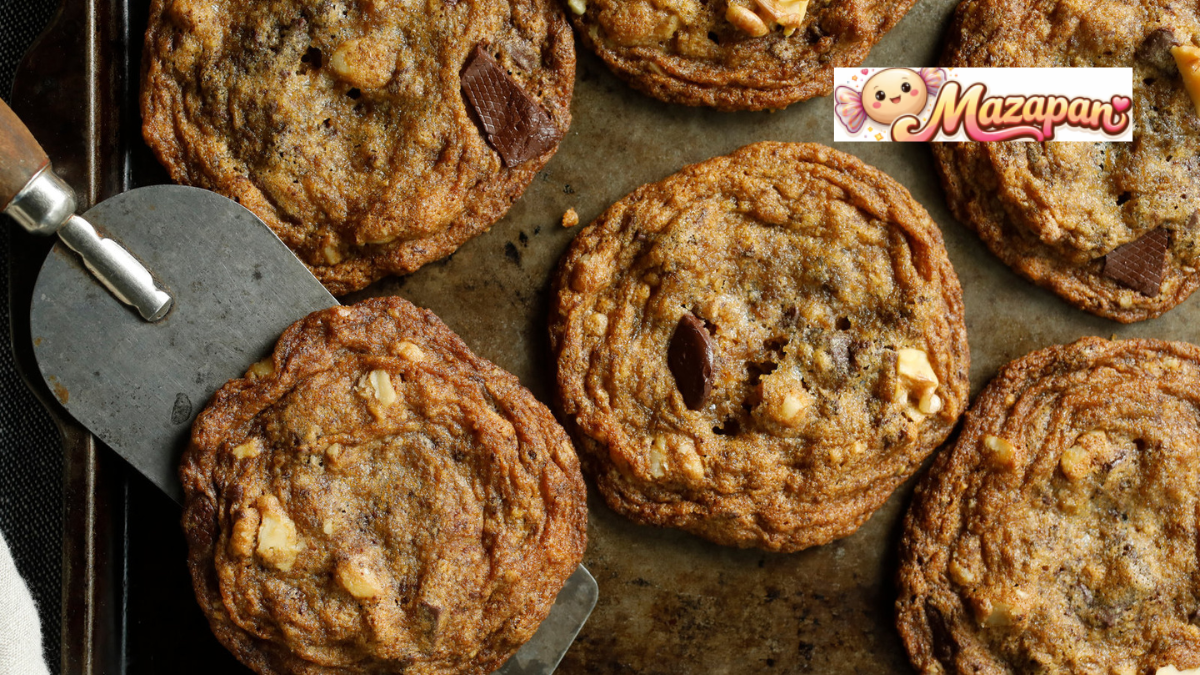
nyt cooking chocolate chip cookies Flour, eggs, vanilla extract, and baking soda complete the foundation. However, the real magic lies in the chocolate. Instead of relying only on chips, many bakers prefer chopped dark or semi-sweet chocolate bars. This creates irregular pools of melted chocolate that enhance both texture and visual appeal, making each cookie feel handcrafted and indulgent.
Step-by-Step Baking Process for Perfect Results
The process of making nyt cooking chocolate chip cookies begins with properly creaming butter and sugars together nyt cooking chocolate chip cookies . This step is essential because it incorporates air into the mixture, helping create a light yet rich dough. Eggs and vanilla are then added to build structure and flavor depth before dry ingredients are gently folded in.
nyt cooking chocolate chip cookies One of the most important steps is chilling the dough. This resting period, often lasting at least 24 hours, allows the flour to fully hydrate and the flavors to intensify. Skipping this step may still produce cookies, but the depth of flavor and chewy texture will not be the same. Patience here is what separates average cookies from exceptional ones.
nyt cooking chocolate chip cookies Once the dough is ready, it is portioned into evenly sized balls and placed on a baking tray with enough space for spreading. Baking is done at a moderate temperature, typically around 350°F (175°C), until the edges are golden while the center remains slightly soft. The cookies continue to cook on the tray after being removed from the oven, completing their perfect texture.
Techniques That Make These Cookies Truly Special
What makes NYT Cooking chocolate chip cookies unique is the emphasis on technique rather than complexity. The chilling process is the most critical technique, often recommended for at least 24 to 72 hours. This resting time allows the sugar to fully dissolve and the flour to absorb moisture, resulting in a richer, more complex flavor profile.
nyt cooking chocolate chip cookies Another important technique is using high-quality chocolate in larger chunks instead of uniform chips. This creates uneven melting, giving the cookies pockets of gooey chocolate throughout. It also enhances the visual appeal, making each cookie look rustic and bakery-made.
nyt cooking chocolate chip cookies Baking in small batches is another professional trick. Overcrowding the oven can lead to uneven heat distribution, affecting texture. Allowing enough space ensures that each cookie bakes evenly, developing crisp edges and soft centers—the signature of a perfect NYT cookie.
Variations and Creative Customizations
While the original recipe is already exceptional, there are many ways to customize NYT chocolate chip cookies. One popular variation is the double chocolate version, where cocoa powder is added to the dough for a richer, more intense chocolate flavor. This is perfect for those who prefer a deeper, more decadent dessert.
For health-conscious bakers, gluten-free and vegan adaptations are also possible. Gluten-free flour blends can replace traditional flour without significantly affecting texture, while plant-based butter and egg substitutes help create a vegan-friendly version that still maintains richness and chewiness.
Creative bakers also experiment with add-ins like espresso powder, cinnamon, or even stuffed centers such as caramel or peanut butter. These variations allow you to personalize the recipe while still maintaining the core structure that makes it so iconic.
Serving, Storage, and Enjoyment Tips
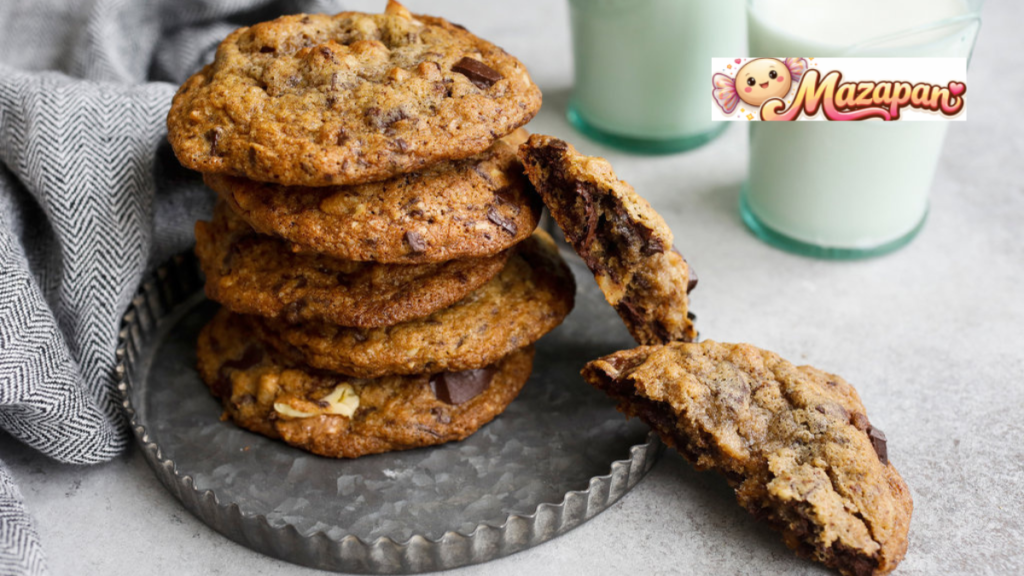
NYT chocolate chip cookies are best enjoyed slightly warm, when the chocolate is still soft and melty. They pair perfectly with a glass of cold milk, a cup of coffee, or even as part of an ice cream sandwich. The contrast of warm cookie and cold ice cream creates an unforgettable dessert experience.
For storage, these cookies can be kept in an airtight container at room temperature for several days without losing quality. To maintain freshness longer, baked cookies or raw dough can also be frozen. When reheated briefly in the oven, they regain their freshly baked texture, making them ideal for make-ahead treats.
Why NYT Chocolate Chip Cookies Stand Out
Unlike traditional cookie recipes, NYT Cooking chocolate chip cookies focus heavily on process and patience. The extended resting time, precise ingredient ratios, and emphasis on chocolate quality all contribute to a superior final product. This is not just a quick dessert—it is a carefully crafted baking experience.
Their global popularity comes from their reliability. Whether you are a beginner or an experienced baker, following the method closely results in consistent, bakery-level cookies every time. This consistency is what has made the recipe a modern classic in home baking culture.
Conclusion
NYT Cooking chocolate chip cookies are more than just a recipe—they are a lesson in how technique and patience can elevate simple ingredients into something extraordinary. From the carefully balanced dough to the essential chilling process, every step contributes to a final product that is rich, chewy, and deeply satisfying.
Whether you stick to the original version or experiment with creative variations, this recipe offers endless opportunities for delicious results. It has rightfully earned its place as one of the most beloved cookie recipes in modern baking.
FAQs
What makes NYT Cooking chocolate chip cookies different?
They stand out due to dough resting time, ingredient balance, and high-quality chocolate use.
Why is chilling the dough important?
It enhances flavor depth and improves cookie texture by allowing ingredients to fully develop.
Can I skip the resting time?
Yes, but the cookies will lack the same depth of flavor and chewy texture.
What type of chocolate is best?
Chopped dark or semi-sweet chocolate bars are preferred for richer melting pockets.
How do I make cookies extra chewy?
Use more brown sugar, avoid overbaking, and ensure proper dough chilling.
Can I freeze the dough?
Yes, cookie dough freezes very well and can be baked directly from frozen.
Why do my cookies turn out flat?
This usually happens due to warm butter, insufficient flour, or skipping dough chilling.
Also Read: mazapan