
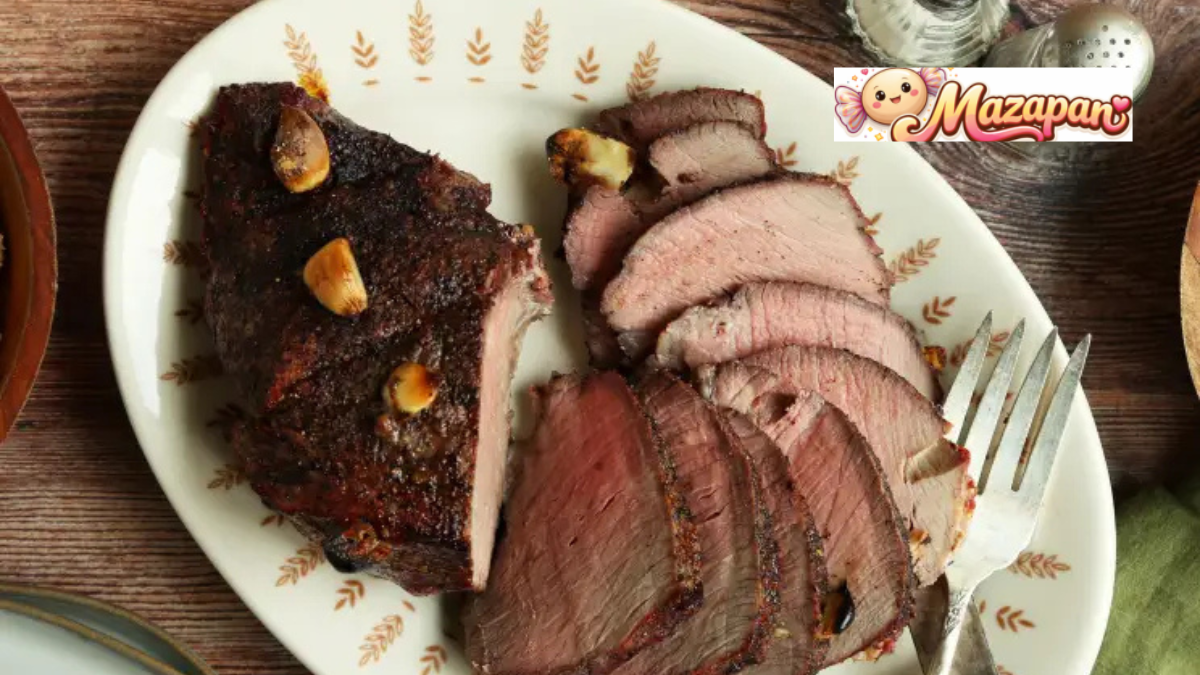
Introduction to Beef Rump Roast
beef rump roast recipe is a classic cut of beef taken from the hindquarter of the cow, known for its lean structure and rich beefy flavor. It is widely used in roasting and slow-cooking recipes because, when prepared correctly, it transforms into a tender and juicy centerpiece for family meals. While it is not as naturally marbled as ribeye or chuck cuts, its deep flavor makes it a favorite for home cooks who want a hearty and satisfying dish without spending too much.
What makes beef rump roast recipe especially appealing is its versatility. It can be cooked in the oven, slow cooker, or pressure cooker, depending on how much time you have. Each method brings out slightly different textures and flavors, but all can produce delicious results when done properly. This cut is also ideal for meal prep, holiday dinners, and Sunday family gatherings because it can serve multiple people at once while remaining budget-friendly and filling.
Understanding the basics of this cut is the first step toward mastering a perfect beef rump roast recipe. Once you know how it behaves during cooking, you can easily control tenderness, juiciness, and flavor depth, making it a reliable dish in your cooking routine.
Choosing the Best Beef Rump Roast
Selecting the right beef rump roast recipe is essential for achieving the best flavor and texture. When shopping, look for a piece of meat that has a deep red color with minimal discoloration. Although rump roast is naturally lean, a small amount of marbling (thin streaks of fat) is beneficial because it helps keep the meat moist during cooking. Avoid cuts that appear overly dry or pale, as these may result in tougher texture after cooking.
The size of the roast also matters depending on how many people you are serving. A general guideline is around 1/2 pound per person, which ensures everyone gets a satisfying portion. If you are planning for leftovers, choose a slightly larger cut. Grass-fed beef often has a stronger, more natural flavor, while grain-fed beef tends to be slightly more tender and mild. Both options work well in a beef rump roast recipe, so your choice depends on personal preference.
Another important factor is freshness. Fresh beef always delivers better results, but frozen rump roast can also be used if thawed properly in the refrigerator. Avoid rushing the thawing process in hot water, as it can affect texture. Proper selection sets the foundation for a flavorful and tender roast.
Ingredients for the Perfect Beef Rump Roast Recipe
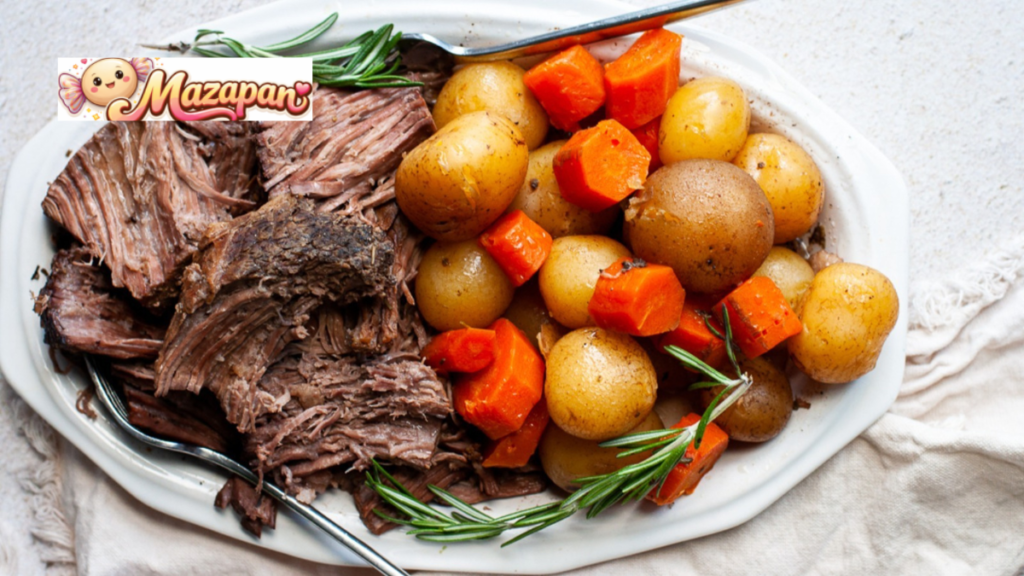
A great beef rump roast recipe starts with simple but powerful ingredients. The core ingredient is, of course, the beef rump roast itself. To enhance its natural flavor, basic seasonings such as salt and black pepper are essential. These create a balanced base that allows the beef’s natural richness to shine through.
beef rump roast recipe Aromatic ingredients like garlic, onions, rosemary, and thyme elevate the dish significantly. Garlic adds depth, onions provide sweetness during roasting, and herbs contribute earthy and fragrant notes. Olive oil or butter is often used to coat the roast before cooking, helping to lock in moisture and assist in browning. Beef broth or stock is another key ingredient that keeps the meat moist and can later be turned into a flavorful gravy.
beef rump roast recipe Optional ingredients such as Worcestershire sauce, soy sauce, or mustard can add extra layers of umami and complexity. These additions are especially useful if you prefer a richer, restaurant-style flavor. The beauty of this recipe is its flexibility—ingredients can be adjusted based on taste preferences while still delivering a delicious result every time.
Step-by-Step Cooking Methods for Beef Rump Roast
There are several ways to cook beef rump roast recipe, but oven roasting remains one of the most popular methods. In this technique, the roast is first seasoned and seared to lock in flavor, then cooked slowly at a moderate temperature. This gradual cooking process allows the meat to become tender while developing a rich crust on the outside. Using a meat thermometer is highly recommended to avoid overcooking and ensure perfect doneness.
Slow cooking is another excellent method, especially for busy households. In a slow cooker, the beef rump roast recipe is combined with broth, vegetables, and seasonings, then cooked over several hours. This low-and-slow approach breaks down tough fibers in the meat, resulting in a melt-in-your-mouth texture. It is one of the easiest methods for beginners and guarantees consistent results.
beef rump roast recipe For those short on time, a pressure cooker or Instant Pot can significantly speed up the process. While the cooking time is reduced, the pressure environment still helps tenderize the meat effectively. However, careful timing is crucial to avoid overcooking, as this can make the roast dry. Each method has its advantages, and choosing the right one depends on your schedule and desired texture.
Tips for Tender and Juicy Beef Rump Roast
Achieving a tender beef rump roast recipe requires a combination of proper technique and patience. One of the most important steps is allowing the roast to rest after cooking. This helps the juices redistribute throughout the meat, preventing dryness when slicing. Cutting into the roast too early often results in lost moisture and less flavorful meat.
beef rump roast recipe Slicing technique also plays a major role. Always cut against the grain, which shortens muscle fibers and makes each bite easier to chew. Another key tip is to avoid skipping the searing step. Searing the meat before roasting creates a flavorful crust that enhances the overall taste of the dish.
Maintaining moisture during cooking is equally important. Using broth in the roasting pan or slow cooker helps prevent dryness, while covering the meat during parts of the cooking process can also help retain juices. Avoiding overcooking is perhaps the most critical factor, as rump roast is lean and can become tough if exposed to high heat for too long.
Conclusion
Beef rump roast is a simple yet incredibly rewarding dish when prepared with care. Its lean structure and rich flavor make it a versatile choice for both everyday meals and special occasions. By understanding how to choose the right cut, season it properly, and use the correct cooking method, you can consistently create a tender and flavorful roast.
Whether you prefer oven roasting, slow cooking, or pressure cooking, each method offers its own benefits. With the right techniques, even a budget-friendly cut like rump roast can be transformed into a restaurant-quality meal that brings comfort and satisfaction to the table.
FAQs
What is the best way to cook beef rump roast?
Slow cooking and oven roasting are the most reliable methods for tender and flavorful results.
How do I make my rump roast tender?
Cook it slowly, use broth for moisture, and always slice against the grain.
What temperature should beef rump roast be cooked to?
For medium doneness, aim for an internal temperature of around 145°F (63°C) with resting time.
Can I cook rump roast without a slow cooker?
Yes, oven roasting and pressure cooking are excellent alternatives.
Why is my rump roast tough?
It is usually due to overcooking or not slicing against the grain.
What herbs go best with beef rump roast?
Rosemary, thyme, garlic, and black pepper are classic choices.
Can I prepare rump roast ahead of time?
Yes, it stores well and can be reheated without losing much flavor if done properly.
Also Read: mazapan