
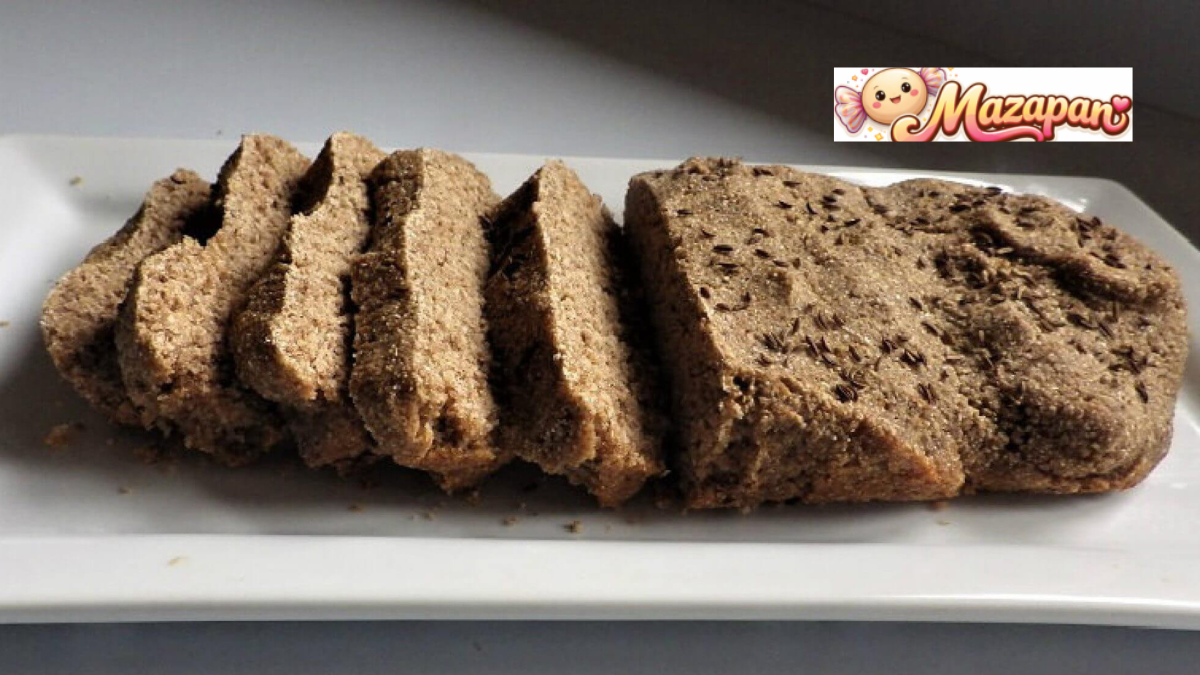
Introduction
rye bread recipe for bread machine has long been cherished for its distinctive flavor, dense texture, and rich cultural history. Unlike standard white or whole wheat bread, rye bread offers a slightly tangy taste combined with an earthy aroma that makes it stand out on any table. Traditionally popular in European cuisines, especially in countries like Germany and Russia, rye bread has now found its place in kitchens worldwide. With the convenience of modern appliances, making this classic bread at home has never been easier, particularly with the help of a bread machine.
Using a rye bread recipe for bread machine machine simplifies what might otherwise seem like a complex baking process. Instead of worrying about kneading, proofing, and baking times, the machine handles everything for you. This is especially useful when working with rye flour, which behaves differently than wheat flour due to its lower gluten content. The bread machine ensures consistent results, making it an ideal choice for both beginners and experienced bakers looking for convenience without sacrificing quality.
Homemade rye bread also offers significant advantages over store-bought versions. You gain complete control over ingredients, allowing you to avoid preservatives and customize flavors to your liking. Whether you prefer a lighter loaf or a dense, dark rye packed with seeds, making your own bread ensures freshness and authenticity. This guide will walk you through everything you need to know to master the perfect rye rye bread recipe for bread machine using a bread machine.
Understanding Rye Bread
rye bread recipe for bread machine is made using rye flour, which comes from rye grain, a close relative of wheat and barley. What sets rye apart is its lower gluten content, which results in a denser and more compact loaf compared to traditional wheat bread. This characteristic gives rye bread its signature texture, which many people find satisfying and hearty. Additionally, rye flour contains natural compounds that contribute to its slightly sour flavor, especially when fermented.
There are several types of rye flour, including light, medium, and dark rye. Light rye is milder and often mixed with wheat flour to create a softer loaf. Medium rye offers a balance between flavor and texture, while dark rye is more robust and intense. Pumpernickel flour, made from coarsely ground whole rye berries, produces a deep, rich flavor and dark color. Choosing the right type of rye flour is essential for achieving your desired taste and texture in a bread machine recipe.
Beyond its unique taste, rye bread recipe for bread machine is also valued for its health benefits. It is typically higher in fiber than white bread, which supports digestion and helps maintain stable blood sugar levels. Rye also contains important nutrients such as magnesium, iron, and B vitamins. Because of its dense nature, rye bread can be more filling, making it a popular choice for those looking to manage portion sizes while still enjoying a satisfying meal.
Essential Ingredients for Rye Bread in a Bread Machine
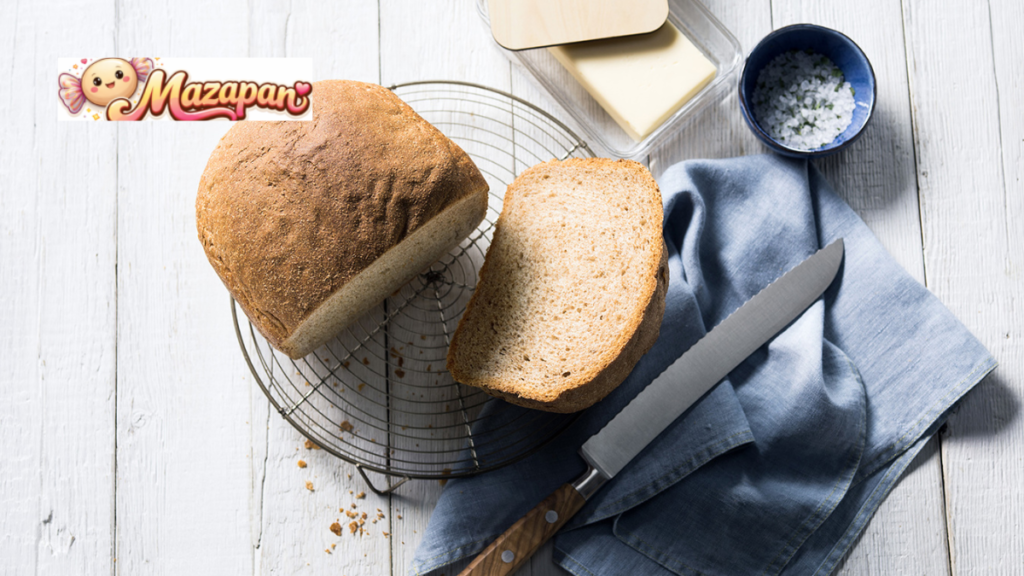
Creating the perfect rye bread recipe for bread machine begins with selecting the right ingredients. The core components include rye flour, bread flour, yeast, water, and a small amount of salt. Since rye flour alone lacks sufficient gluten to create a good structure, bread flour is often added to provide elasticity and help the dough rise properly. This combination ensures a balanced loaf that is both flavorful and structurally sound.
In addition to the basics, many recipes include optional ingredients to enhance flavor and appearance. Caraway seeds are a classic addition, lending a slightly nutty and aromatic taste that pairs beautifully with rye bread recipe for bread machine. Sweeteners like molasses or honey are often used to deepen the flavor and add a subtle sweetness. Some bakers even include a small amount of cocoa powder, not for chocolate flavor, but to enrich the bread’s color and complexity.
Understanding ingredient ratios is crucial when using a rye bread recipe for bread machine machine. Too much rye flour can result in a dense, heavy loaf, while too much wheat flour may dilute the signature rye flavor. Hydration is equally important, as rye flour absorbs more water than wheat flour. Achieving the right balance ensures your bread has the ideal texture—moist but not sticky, firm yet tender. With the right combination of ingredients, your bread machine can consistently produce excellent results.
Choosing the Right Bread Machine Settings
rye bread recipe for bread machine machines come with various settings designed for different types of bread, and selecting the correct one is essential for rye bread. Many machines include a “whole grain” or “basic” setting, both of which can work well depending on your recipe. The whole grain setting is often preferred because it allows for longer kneading and rising times, which are beneficial for denser flours like rye.
Understanding how your bread machine operates can greatly improve your results. Each cycle typically includes kneading, rising, and baking phases. Rye dough behaves differently than wheat dough—it is stickier and less elastic—so it doesn’t require as much kneading. Over-kneading can actually harm the final texture, making it important to monitor the process, especially during the initial mixing stage.
rye bread recipe for bread machine For best results, check the dough consistency about 10–15 minutes into the kneading cycle. It should form a slightly sticky but cohesive ball. If it appears too dry, add a small amount of water; if too wet, sprinkle in a bit of flour. Adjusting the crust setting is also important—many prefer a medium or dark crust for rye bread to enhance its robust flavor. With the right settings and small adjustments, your bread machine can deliver bakery-quality rye bread every time.
Step-by-Step Rye Bread Recipe for Bread Machine
rye bread recipe for bread machine Before you begin, it’s important to prepare your ingredients carefully. Accurate measurements are essential in bread making, as even small variations can affect the outcome. Use measuring cups for dry ingredients and a liquid measuring cup for water or milk. Most bread machines require ingredients to be added in a specific order, typically starting with liquids, followed by dry ingredients, and ending with yeast on top.
rye bread recipe for bread machine Once your ingredients are in place, select the appropriate setting on your bread machine and start the cycle. During the kneading phase, take a moment to observe the dough. This is your opportunity to make minor adjustments if needed. The dough should be soft and slightly tacky but not overly sticky. After this stage, the machine will handle the rising and baking automatically, allowing you to step away and let it work its magic.
rye bread recipe for bread machine After baking is complete, remove the bread from the machine promptly to prevent excess moisture buildup. Allow it to cool on a wire rack for at least 30 minutes before slicing. This step is crucial, as cutting the bread too soon can result in a gummy texture. Once cooled, your rye bread is ready to enjoy—whether as part of a hearty sandwich or simply with butter. The process is straightforward, yet the result is deeply rewarding.
Common Mistakes and How to Fix Them
rye bread recipe for bread machine One of the most common issues with rye bread is density. Because rye flour lacks strong gluten, the bread can turn out heavy if not properly balanced with wheat flour. To fix this, ensure you’re using the right ratio and that your yeast is fresh and active. Another common problem is poor rising, which can result from incorrect measurements, expired yeast, or insufficient hydration.
Texture issues can also arise if the dough is too dry or too wet. A dry dough may produce a crumbly loaf, while an overly wet dough can collapse during baking. Monitoring the dough during the kneading stage and making small adjustments can prevent these problems. Additionally, flavor can be enhanced by incorporating ingredients like molasses or allowing the dough more time to develop.
Conclusion
Mastering a rye bread recipe in a bread machine is both achievable and rewarding. By understanding the unique properties of rye flour, selecting the right ingredients, and using proper machine settings, you can create a loaf that rivals those from professional bakeries. The process may require a bit of experimentation, but each attempt brings you closer to perfection.
Homemade rye bread not only tastes better but also allows for greater creativity in the kitchen. From experimenting with seeds and sweeteners to adjusting textures and flavors, the possibilities are endless. With patience and practice, your bread machine can become a powerful tool for crafting delicious, wholesome rye bread right at home.
FAQs
Can I use 100% rye flour in a bread machine?
It’s possible, but the bread will be very dense. Most recipes mix rye with wheat flour for better structure.
Why is my rye bread so dense?
This usually happens due to low gluten content or incorrect ingredient ratios.
What is the best flour ratio for rye bread?
A common ratio is 40% rye flour to 60% bread flour.
Can I make rye bread without caraway seeds?
Yes, they are optional and mainly used for flavor.
How long does homemade rye bread last?
Typically 3–5 days at room temperature when stored properly.
Which bread machine setting is best for rye bread?
The whole grain setting is usually the best option.
Can I add nuts or seeds to my rye bread recipe?
Yes, they can enhance both texture and flavor.
Why didn’t my rye bread rise properly?
Possible reasons include inactive yeast, incorrect measurements, or low hydration.
Also Read: mazapan