
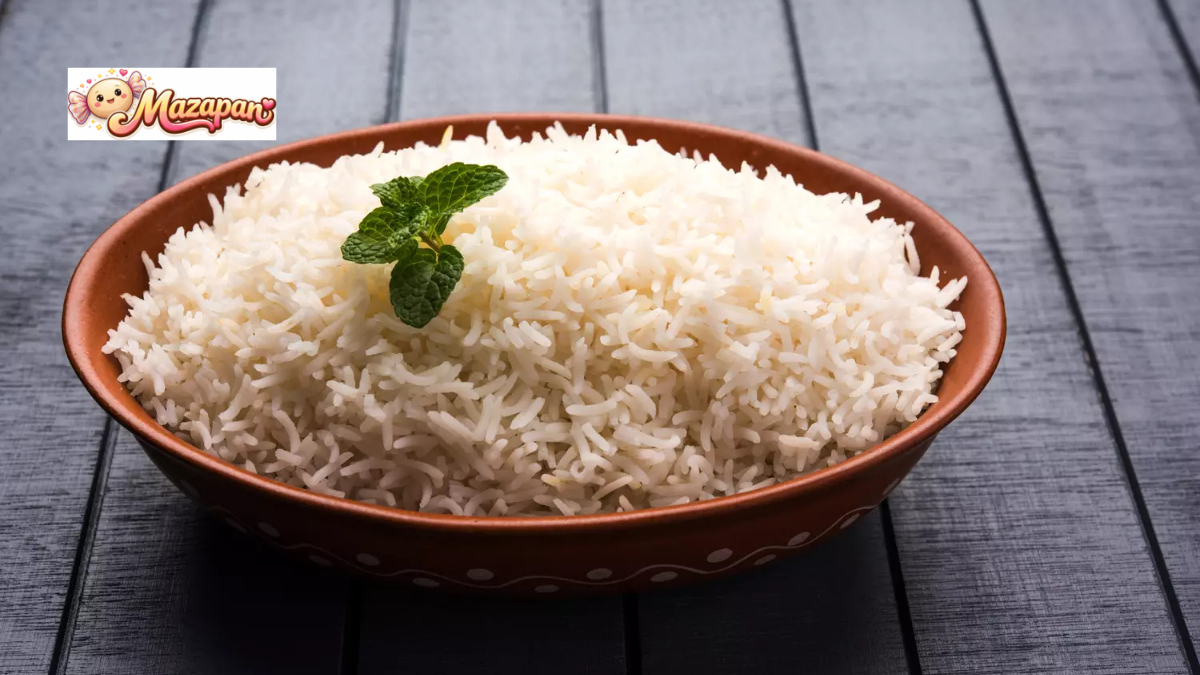
cuisson riz basmati is one of the most loved rice varieties in the world, admired for its delicate aroma, long grains, and soft fluffy texture. Originating from the Indian subcontinent, basmati rice has become a staple ingredient in countless kitchens because of its versatility and rich flavor. Whether served alongside spicy curries, grilled meats, vegetable dishes, or traditional biryani, perfectly cooked basmati rice can elevate an ordinary meal into something truly memorable.
However, achieving restaurant-quality basmati rice is not always as simple as boiling water and adding rice. Many people struggle with rice that turns sticky, mushy, dry, or unevenly cooked. The secret lies in understanding the correct cuisson riz basmati techniques, including rinsing, soaking, water ratios, and cooking methods. Once you master these essentials, you can consistently prepare rice that is light, fluffy, aromatic, and visually appealing.
This comprehensive guide explores everything you need to know about cuisson riz basmati. From selecting the best rice to learning traditional and modern cooking methods, you will discover practical tips and expert techniques that guarantee perfect results every time.
Understanding Basmati Rice
Basmati rice is a premium long-grain rice known for its naturally fragrant aroma and elegant texture. The word “basmati” comes from the Hindi language and means “full of fragrance,” which perfectly describes its unique scent. Unlike ordinary white rice, basmati grains remain separate and fluffy after cooking, making it an ideal companion for rich sauces, curries, and grilled dishes.
One of the most attractive features of basmati rice is its nutritional value. It contains essential carbohydrates that provide energy while remaining relatively low in fat. Brown basmati rice also offers fiber, vitamins, and minerals that contribute to a balanced diet. Compared to many other rice varieties, basmati rice has a lower glycemic index, making it a preferred option for people who want slower energy release and better blood sugar control.
There are two main types of basmati rice: white basmati and brown basmati. White basmati cooks faster and has a softer texture, while brown basmati retains the bran layer, offering a nuttier taste and more nutritional benefits. Both types can produce excellent results when cooked properly, although brown basmati requires more water and a longer cooking time.
Choosing high-quality basmati rice is equally important. Premium aged basmati rice usually delivers better flavor, longer grains, and improved texture. Aging helps reduce moisture content in the rice, allowing the grains to expand beautifully during cooking. When shopping, look for rice with long uniform grains and minimal broken pieces for the best cuisson riz basmati experience.
Essential Preparation Before Cooking
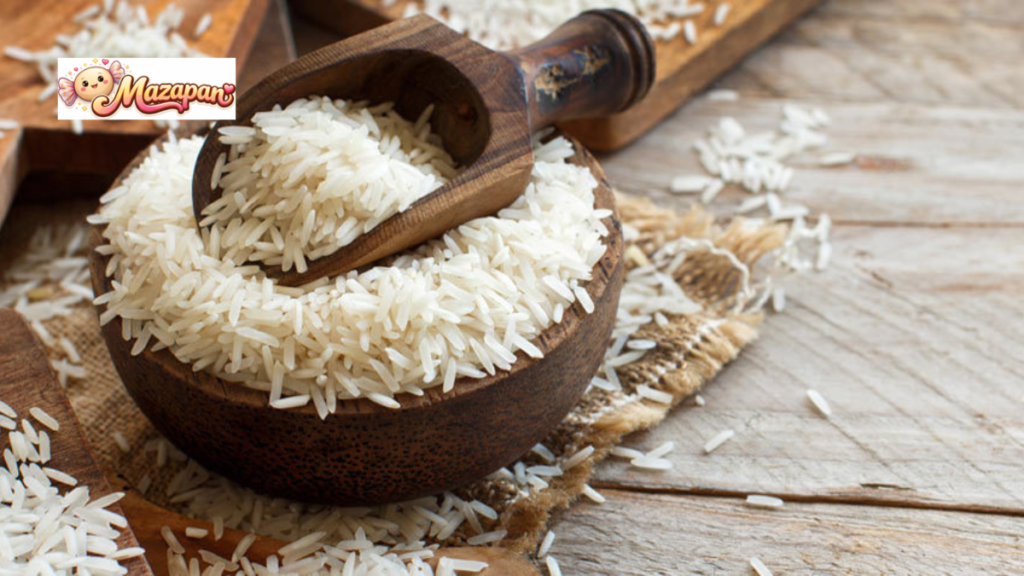
Preparation is the foundation of successful cuisson riz basmati. Many home cooks skip this step, but proper preparation significantly improves the texture and flavor of the rice. Washing basmati rice is essential because it removes excess surface starch that can cause stickiness. Rinsing the rice under cold water several times until the water runs clear helps achieve a cleaner and fluffier final result.
Soaking basmati rice is another crucial step that many professional chefs recommend. Allowing the rice to soak for 20 to 30 minutes softens the grains and helps them cook evenly. Soaked rice also expands more effectively, resulting in longer, more elegant grains after cooking. Additionally, soaking reduces the cooking time and minimizes the risk of broken grains.
The rice-to-water ratio plays a vital role in determining texture. Using too much water can make the rice mushy, while insufficient water may leave the grains hard and undercooked. A common ratio for white basmati rice is one cup of rice to one and a half cups of water. However, slight adjustments may be necessary depending on the cooking method and personal texture preferences.
Temperature control is equally important during cuisson riz basmati. Cooking the rice over high heat for too long can cause uneven cooking and burnt bottoms. A gentle simmer allows the grains to absorb water gradually while maintaining their delicate structure. Once the rice is cooked, allowing it to rest for several minutes before fluffing helps the grains settle and separate naturally.
Traditional Cuisson Riz Basmati Methods
The stovetop method remains one of the most traditional and widely used techniques for cuisson riz basmati. This method is simple yet highly effective when done correctly. To begin, rinsed and soaked rice is added to boiling water along with salt and a small amount of oil or butter. The heat is then reduced to low, allowing the rice to cook slowly with the lid tightly closed.
One of the biggest advantages of stovetop cooking is control. You can monitor the texture and make adjustments if necessary. After about 12 to 15 minutes, the water should be fully absorbed, and the rice should appear tender and fluffy. At this stage, turning off the heat and letting the rice rest for five minutes ensures maximum fluffiness.
Another popular traditional technique is the boiling method. In this process, rice is cooked in a large pot of boiling water similar to pasta. Once the grains are tender, the rice is drained immediately. This method works particularly well for dishes like biryani, where separate grains are essential. Although it requires more attention, it can produce exceptionally light and airy rice.
Steaming is also highly respected in traditional Asian cooking. Steamed basmati rice tends to retain more aroma and texture because the grains cook gently without excessive agitation. Many chefs prefer steaming because it creates rice that is consistently fluffy and visually appealing. While this method may take slightly longer, the results are often worth the extra effort.
Modern Cooking Methods
Modern kitchen appliances have made cuisson riz basmati easier and more convenient than ever before. Rice cookers are especially popular because they automate the cooking process and reduce the risk of mistakes. Simply add the rinsed rice, measured water, and seasonings, then allow the appliance to handle the rest. Most rice cookers automatically switch to warming mode once the rice is fully cooked.
Pressure cookers and Instant Pots have also become common tools for preparing basmati rice quickly. These appliances significantly reduce cooking time while still producing soft and fluffy grains. Typically, basmati rice cooks in just a few minutes under pressure, making this method ideal for busy households. However, accurate water measurements are essential because pressure cooking traps moisture inside the pot.
Microwave cooking is another practical option for those seeking convenience. Although often underestimated, microwave cuisson riz basmati can deliver surprisingly good results when proper measurements are used. Using a microwave-safe bowl with a lid helps trap steam and ensures even cooking. This method is especially useful for students, office workers, or anyone preparing quick meals.
Despite the convenience of modern appliances, the principles of proper rice cooking remain unchanged. Rinsing, soaking, accurate water ratios, and resting time are still critical for achieving the perfect texture. Whether you prefer traditional methods or modern technology, understanding the fundamentals ensures consistently delicious basmati rice.
Tips for Perfect Basmati Rice Every Time
Perfect cuisson riz basmati requires attention to detail and a few expert techniques. One of the most common mistakes is stirring the rice while it cooks. Stirring breaks the delicate grains and releases starch, resulting in sticky rice. Once the lid is closed, it is best to leave the rice undisturbed until cooking is complete.
Adding flavor during cooking can transform plain rice into a fragrant side dish. Many cooks enhance basmati rice by adding spices such as cardamom, cinnamon, cloves, or bay leaves to the cooking water. Using broth instead of plain water also adds richness and depth of flavor. A small spoonful of butter or ghee can create an even more luxurious texture.
Resting the rice after cooking is another essential step that should never be skipped. Allowing the rice to sit covered for several minutes helps redistribute moisture evenly throughout the grains. Fluffing the rice gently with a fork afterward prevents clumping and keeps the grains separate.
Storage and reheating techniques are equally important. Leftover basmati rice should be cooled quickly and stored in an airtight container in the refrigerator. Properly stored rice can remain fresh for several days. Reheating with a splash of water helps restore moisture and prevents dryness.
Conclusion
Mastering cuisson riz basmati is a valuable culinary skill that can greatly improve your cooking. With the right preparation, accurate water ratios, and suitable cooking methods, anyone can create fluffy, fragrant, and perfectly cooked basmati rice at home. From traditional stovetop techniques to modern rice cookers and Instant Pots, there are many ways to achieve excellent results.
Basmati rice is more than just a side dish—it is a versatile ingredient that complements countless meals around the world. By understanding the secrets behind proper cuisson riz basmati, you can confidently prepare rice that rivals restaurant quality and enhances every dining experience.
FAQs
How long does basmati rice take to cook?
White basmati rice usually takes 12 to 15 minutes, while brown basmati rice may require 30 to 40 minutes.
Should basmati rice be soaked before cooking?
Yes, soaking improves texture, helps grains expand, and reduces cooking time.
Why is my basmati rice sticky?
Sticky rice is often caused by excess starch, too much water, or stirring during cooking.
What is the best water ratio for cuisson riz basmati?
A common ratio is 1 cup of rice to 1.5 cups of water for white basmati rice.
Can basmati rice be cooked in a rice cooker?
Absolutely. Rice cookers are one of the easiest and most reliable ways to cook basmati rice.
Also Read: no roux mac and cheese