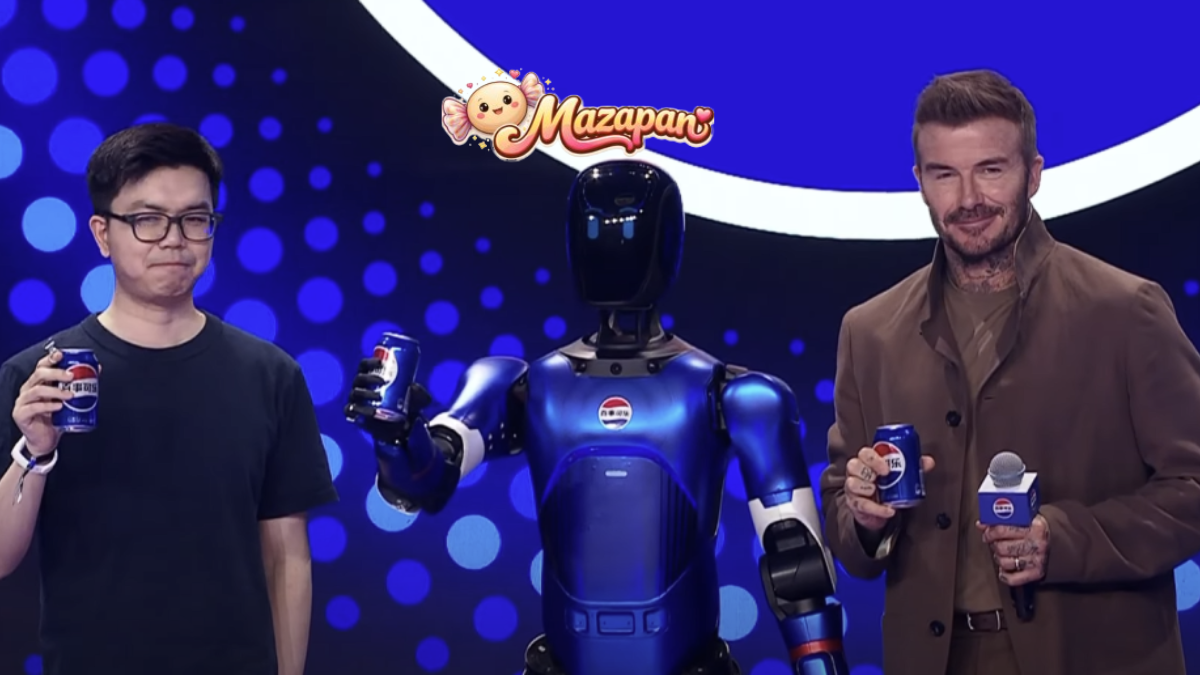
The concept of the Pepsi Robot represents a major shift in how global beverage production is evolving in the era of artificial intelligence and advanced automation. Across the food and drink sector, companies are increasingly turning toward robotics to improve efficiency, reduce operational costs, and maintain consistent product quality. In this context, the idea of “Pepsi Robot” is not just a single machine but a broader system of intelligent automation used in manufacturing, packaging, warehousing, and logistics. It reflects how modern factories are becoming smarter, faster, and more data-driven than ever before.
At the center of this transformation is PepsiCo, a leading multinational organization that has continuously invested in innovation and technology. By integrating robotics and AI-powered systems into its production lines, PepsiCo is reshaping traditional manufacturing methods. The Pepsi Robot ecosystem includes robotic arms, automated conveyors, AI vision systems, and predictive analytics tools that work together seamlessly. These systems help reduce human error, speed up production, and ensure that every bottle or can meets strict quality standards.
The importance of Pepsi Robot technology goes beyond efficiency alone. It also reflects a broader industrial trend toward smart manufacturing, where machines and humans collaborate to achieve higher productivity. In today’s competitive global market, such automation is no longer optional but necessary for survival. Pepsi Robot systems demonstrate how artificial intelligence and robotics are redefining how beverages are produced, stored, and delivered to millions of consumers worldwide.
The Rise of Robotics in PepsiCo Manufacturing
The rise of Pepsi Robot technology in manufacturing did not happen overnight. It is the result of decades of gradual automation improvements in industrial production lines. Initially, beverage factories relied heavily on manual labor for bottling, labeling, and packaging. However, as consumer demand increased globally, companies like PepsiCo needed faster and more reliable systems to keep up with production requirements. This need led to the introduction of semi-automated machinery, which eventually evolved into fully automated robotic systems.
Today, Pepsi Robot systems play a crucial role in modern production facilities. Robotic arms are commonly used for repetitive tasks such as sorting bottles, placing caps, and packing finished products into cartons. These machines operate with extreme precision, significantly reducing the chances of human error. Unlike traditional labor, robots can work continuously without fatigue, allowing factories to maintain 24/7 production cycles. This shift has dramatically improved output efficiency while maintaining consistent product quality across global markets.
Another important aspect of this transformation is the integration of intelligent control systems. Modern Pepsi Robot setups are not just mechanical devices; they are connected to centralized software platforms that monitor performance in real time. These systems analyze production speed, detect errors, and make automatic adjustments to ensure smooth operations. As a result, manufacturing plants have become more adaptive, responsive, and capable of handling large-scale production demands with minimal disruption.
How Pepsi Robot Systems Work in Factories
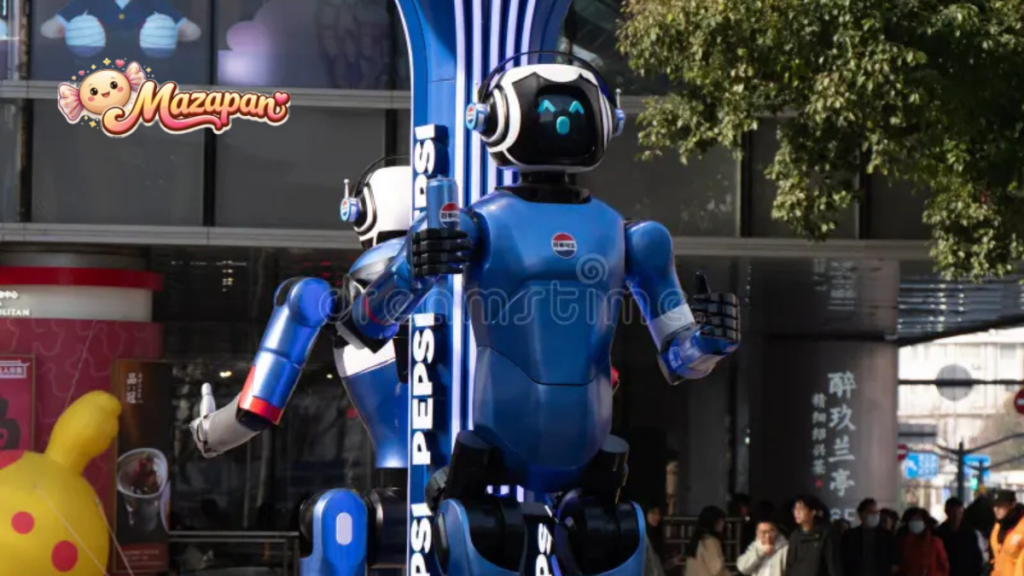
Pepsi Robot systems operate through a highly coordinated network of machines, sensors, and artificial intelligence software. In a typical manufacturing facility, raw materials enter the production line where robotic systems begin processing them step by step. The first stage often involves automated filling machines that measure and pour exact quantities of liquid into bottles or cans. This precision ensures consistency in every product, reducing waste and improving efficiency.
Once the filling process is complete, robotic arms take over the packaging stage. These robots are programmed to handle products carefully, placing them into cartons or arranging them on conveyor belts for further processing. Computer vision systems are also used to inspect each product for defects such as leaks, incorrect labeling, or packaging errors. If any issue is detected, the system automatically removes the faulty product from the line without slowing down production.
The entire Pepsi Robot system is supported by real-time data monitoring tools. Sensors placed throughout the factory collect information about temperature, speed, and machine performance. This data is analyzed using AI algorithms that help optimize operations and prevent breakdowns. Predictive maintenance systems can even identify potential machine failures before they occur, ensuring uninterrupted production and reducing costly downtime.
Artificial Intelligence and Smart Technology Behind Pepsi Robots
Artificial intelligence is the backbone of modern Pepsi Robot systems. Without AI, robotics would simply be automated machines performing fixed tasks. However, with AI integration, these systems become intelligent and adaptive. Machine learning algorithms analyze vast amounts of production data to improve efficiency over time. This allows factories to continuously refine their processes and achieve higher levels of productivity.
Computer vision technology is another essential component of the Pepsi Robot ecosystem. High-resolution cameras and sensors scan products at various stages of production to ensure quality control. These systems can detect even the smallest defects that may be invisible to the human eye. This level of precision helps maintain brand consistency and customer satisfaction on a global scale.
In addition to AI and computer vision, the Internet of Things (IoT) plays a major role in connecting all systems within a smart factory. Machines communicate with each other in real time, sharing data and adjusting operations automatically. This interconnected environment allows Pepsi Robot systems to function as a unified intelligent network rather than isolated machines. The result is a highly efficient, self-optimizing production ecosystem.
Pepsi Robot in Supply Chain and Logistics
The influence of Pepsi Robot technology extends far beyond factory floors into supply chain and logistics operations. Modern warehouses now rely heavily on automation to manage inventory, sort products, and prepare shipments. Robotic systems can quickly locate, pick, and move products with minimal human intervention. This significantly reduces processing time and increases order accuracy.
AI-driven logistics systems also play a key role in demand forecasting. By analyzing consumer behavior, seasonal trends, and market data, these systems help companies predict product demand more accurately. This ensures that supply levels are optimized, preventing both shortages and overproduction. In this way, Pepsi Robot technology contributes to smarter inventory management and cost reduction.
In transportation, automated systems are increasingly being used to streamline delivery processes. While fully autonomous delivery is still developing, many logistics centers already use semi-automated vehicles and smart routing systems. These innovations help reduce delivery times and improve overall supply chain efficiency, ensuring that products reach consumers faster and in better condition.
Benefits of Pepsi Robot Technology
The adoption of Pepsi Robot systems offers numerous advantages for modern manufacturing. One of the most significant benefits is increased production speed. Automated systems can operate continuously without breaks, allowing companies to produce large volumes of products in a shorter time. This is especially important in the fast-moving beverage industry where demand can fluctuate rapidly.
Another major benefit is improved product quality and consistency. Robots follow precise instructions without deviation, ensuring that every product meets the same high standards. This reduces defects and enhances customer trust in the brand. Additionally, automation improves workplace safety by reducing the need for humans to perform dangerous or repetitive tasks in industrial environments.
Cost efficiency is also a key advantage. While initial investment in robotics can be high, long-term savings are substantial due to reduced labor costs and minimized waste. Furthermore, Pepsi Robot systems contribute to sustainability efforts by optimizing resource usage, reducing energy consumption, and minimizing material waste during production.
Challenges and Limitations of Pepsi Robot Implementation
Despite its many benefits, Pepsi Robot technology also comes with certain challenges. One of the biggest obstacles is the high initial cost of implementation. Advanced robotics, AI systems, and infrastructure upgrades require significant financial investment, which may not be feasible for all facilities.
Technical complexity is another challenge. Maintaining and operating advanced robotic systems requires skilled professionals with specialized knowledge. Companies must invest in training and technical support to ensure smooth operations. Additionally, system failures or software errors can disrupt production if not managed properly.
There are also concerns about workforce displacement. As automation increases, some traditional manufacturing roles may become less relevant. However, new opportunities are also created in areas such as robotics maintenance, data analysis, and system engineering. Balancing automation with human employment remains an important consideration for the industry.
Future of Pepsi Robot and Smart Beverage Manufacturing
The future of Pepsi Robot technology is expected to bring even more advanced innovations. Fully automated “lights-out” factories, where machines operate with minimal human intervention, are becoming increasingly realistic. These facilities will rely entirely on AI-driven systems for production and decision-making.
In the coming years, robotics will become more flexible and adaptable. Future Pepsi Robot systems may include humanoid robots capable of performing complex tasks alongside humans. This will further enhance collaboration between humans and machines, improving efficiency while maintaining human oversight.
Sustainability will also play a major role in future developments. Smart manufacturing systems will focus on reducing carbon emissions, conserving energy, and optimizing resource usage. As global environmental concerns grow, Pepsi Robot technology will likely become a key part of eco-friendly industrial solutions.
Conclusion
The evolution of Pepsi Robot technology marks a significant milestone in the transformation of global manufacturing. By integrating robotics, AI, and smart systems, companies like PepsiCo are redefining how beverages are produced and delivered worldwide. This shift has improved efficiency, consistency, and scalability in ways that were previously unimaginable.
As technology continues to advance, the role of Pepsi Robot systems will only grow stronger. While challenges such as cost and workforce adaptation remain, the long-term benefits of automation are undeniable. The future of the beverage industry lies in intelligent, connected, and sustainable manufacturing systems that combine the best of human creativity and machine precision.
FAQs
What is Pepsi Robot?
Pepsi Robot refers to the use of advanced robotics, automation systems, and artificial intelligence in PepsiCo manufacturing and logistics processes. It includes robotic arms, smart sensors, and AI-driven systems that help in production, packaging, and supply chain management. These technologies work together to make operations faster, more accurate, and more efficient.
How does Pepsi Robot improve production efficiency?
Pepsi Robot systems improve efficiency by automating repetitive and time-consuming tasks such as filling, labeling, and packaging. Machines can operate 24/7 without fatigue, which increases production speed. At the same time, AI systems monitor performance in real time, reducing errors and ensuring smooth operations without delays or interruptions.
Are humans still needed in PepsiCo factories using robots?
Yes, humans are still an essential part of the production process. While robots handle repetitive and heavy tasks, human workers focus on supervision, maintenance, quality control, and technical management. Pepsi Robot systems are designed to work alongside humans rather than completely replace them.
What technologies are used in Pepsi Robot systems?
Pepsi Robot systems use a combination of artificial intelligence, machine learning, computer vision, IoT (Internet of Things), and advanced robotics. These technologies help machines communicate, analyze data, detect defects, and optimize production in real time.
What is the future of Pepsi Robot technology?
The future of Pepsi Robot technology includes fully automated smart factories, more advanced AI decision-making systems, and even more flexible robotic machines. In the coming years, automation is expected to become more sustainable, efficient, and deeply integrated into global beverage manufacturing.
Also Read: figure ai careers