
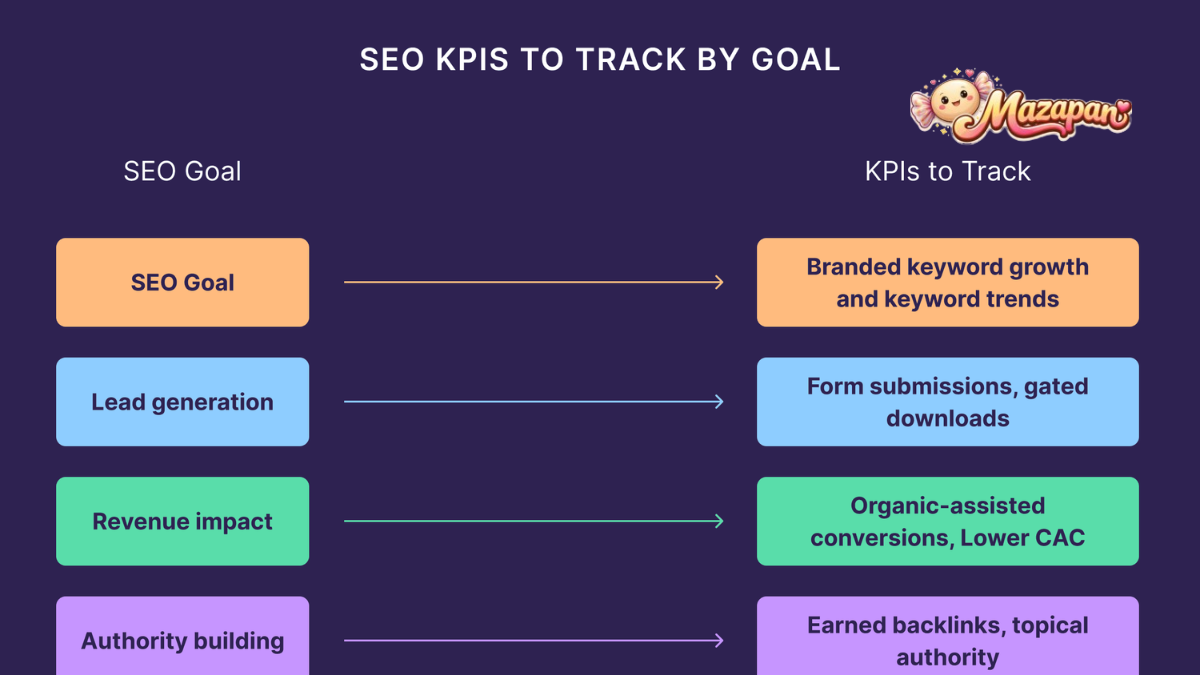
seo kpi examples Search engine optimization is no longer just about ranking a website on the first page of Google. Modern SEO focuses on measurable growth, user engagement, conversions, and long-term digital success. This is where SEO KPIs become essential. SEO KPIs, also known as Search Engine Optimization Key Performance Indicators, help businesses measure the effectiveness of their SEO campaigns and understand whether their strategies are producing real results. Without proper KPI tracking, businesses may invest time and money into SEO without knowing if their efforts are improving traffic, generating leads, or increasing revenue.
Understanding SEO KPI examples can help marketers, bloggers, agencies, and business owners build data-driven strategies. These indicators reveal what is working, what needs improvement, and how SEO contributes to overall business growth. From organic traffic growth and keyword rankings to conversion rates and backlink quality, every KPI provides valuable insights into website performance. Instead of relying on assumptions, SEO professionals can use these metrics to make smarter decisions and create targeted optimization campaigns.
Another important reason to track SEO KPI examples is competition. Millions of websites compete for visibility in search engines, making it difficult to maintain rankings without continuous analysis. Businesses that monitor SEO KPIs can quickly identify ranking drops, content performance issues, or technical problems before they affect traffic and revenue. By consistently tracking KPIs, companies can improve user experience, increase online visibility, and strengthen their search engine authority.
In this detailed guide, you will learn the most important SEO KPI examples, why they matter, and how to use them to improve your digital marketing strategy. Whether you manage a small business website, an e-commerce store, or a large enterprise platform, understanding SEO KPIs will help you achieve measurable and sustainable SEO success.
Understanding SEO KPIs
What Are SEO KPIs?
SEO KPI examples are measurable values used to evaluate the success of a website’s search engine optimization efforts. These indicators help determine whether SEO strategies are effectively improving rankings, driving traffic, increasing conversions, and supporting business goals. Unlike general metrics, KPIs are specifically chosen because they align with strategic objectives. For example, an e-commerce website may focus on organic revenue and product page conversions, while a blog may prioritize organic traffic and user engagement.
The purpose of SEO KPI examples is to simplify performance measurement. SEO campaigns involve multiple activities such as keyword optimization, technical improvements, content creation, and backlink building. Without SEO KPI examples, it becomes difficult to identify which efforts contribute to growth. By monitoring targeted indicators, businesses can understand how their SEO strategy impacts website performance over time. This creates a clear roadmap for optimization and helps prioritize high-impact actions.
SEO KPIs also support better communication between marketing teams, stakeholders, and clients. Agencies often use KPI reports to demonstrate campaign effectiveness and justify SEO investments. Business owners can review these reports to see measurable improvements in visibility, traffic, and revenue. When KPIs are properly tracked, SEO becomes more transparent and easier to evaluate.
Another key advantage of SEO KPIs is long-term growth tracking. SEO results do not happen overnight. Monitoring KPIs regularly allows businesses to identify trends, measure progress, and make continuous improvements. This ensures that SEO strategies remain aligned with changing algorithms, market conditions, and user behavior.
Core SEO KPI Examples Every Website Should Track
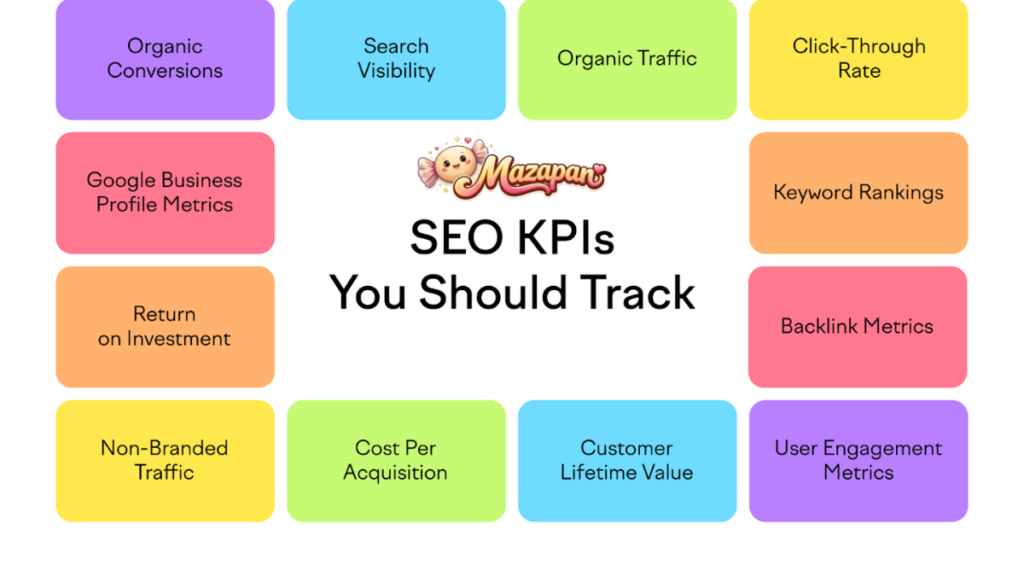
Organic Traffic Growth
Organic traffic growth is one of the most important SEO KPI examples because it measures the number of visitors arriving from search engines without paid advertising. A steady increase in organic traffic usually indicates that a website is improving its search visibility and ranking for relevant keywords. This KPI is valuable because it reflects the overall effectiveness of SEO efforts, including content optimization, technical SEO, and backlink strategies.
Tracking organic traffic also helps businesses identify which pages attract the most visitors. High-performing pages often reveal valuable keyword opportunities and content strategies that can be replicated across the website. Marketers can analyze traffic trends to determine seasonal patterns, audience interests, and the impact of algorithm updates. This information helps improve future SEO planning and content development.
Organic traffic growth is closely connected to user intent. If a website attracts visitors who are genuinely interested in its products or services, the chances of conversions increase significantly. Businesses should focus not only on increasing traffic numbers but also on attracting high-quality traffic that leads to engagement and sales. An SEO campaign that generates irrelevant traffic may increase visits without contributing to revenue.
To measure organic traffic accurately, businesses commonly use analytics platforms. These tools provide insights into visitor behavior, traffic sources, landing pages, and audience demographics. By regularly monitoring organic traffic growth, companies can identify strengths, discover weaknesses, and optimize their SEO campaigns for better results.
Keyword Rankings
Keyword rankings are among the most widely used SEO KPIs because they show how well a website performs in search engine results pages for target keywords. Higher rankings generally increase visibility, traffic, and credibility. When a website appears on the first page of search results, users are more likely to click on it, making keyword tracking essential for SEO success.
Monitoring keyword rankings helps businesses understand whether their optimization strategies are effective. If rankings improve over time, it often indicates successful on-page SEO, strong content quality, and growing domain authority. However, sudden ranking drops may signal technical issues, increased competition, or algorithm changes. Tracking these fluctuations allows SEO professionals to respond quickly and protect search visibility.
Keyword rankings also help identify new opportunities. Long-tail keywords, local search phrases, and question-based queries often generate highly targeted traffic. Businesses that monitor keyword performance can discover which terms drive the most engagement and conversions. This data supports better content creation and keyword targeting strategies.
It is important to remember that rankings alone should not be the only KPI. A keyword ranking first on Google may still produce limited results if it has low search intent or minimal traffic potential. Therefore, businesses should combine keyword ranking analysis with other KPIs such as CTR, conversions, and organic traffic growth for a complete SEO performance overview.
Advanced SEO KPI Examples
Backlink Growth and Quality
Backlinks remain one of the strongest ranking factors in SEO. High-quality backlinks from authoritative websites signal trust and credibility to search engines. As a result, backlink growth and quality are critical SEO KPI examples for measuring off-page seo kpi examples success. A strong backlink profile can improve domain authority, increase referral traffic, and boost keyword rankings.
However, not all backlinks provide equal value. Low-quality or spammy links may harm a website’s reputation and trigger search engine penalties. Businesses should focus on earning natural backlinks from reputable websites within their industry. Tracking referring domains, anchor text diversity, and link relevance helps evaluate backlink quality effectively.
Backlink analysis also reveals competitor opportunities. By studying competitor backlink profiles, businesses can identify websites that may also link to their content. This strategy supports outreach campaigns, guest posting, and digital PR initiatives. Over time, acquiring quality backlinks strengthens a website’s authority and improves its ability to rank for competitive keywords.
Monitoring backlinks regularly is essential because links can disappear or become broken. seo kpi examples professionals often use backlink tracking tools to identify lost links, toxic links, and new referring domains. Continuous monitoring ensures that a website maintains a healthy backlink profile and supports long-term search engine growth.
Local SEO KPI Examples
Google Business Profile Performance
For local businesses, Google Business Profile performance is one of the most important seo kpi examples. A well-optimized profile increases visibility in local search results and Google Maps, helping businesses attract nearby customers. Key metrics include profile views, calls, direction requests, website clicks, and customer interactions.
Tracking these seo kpi examples provides insights into customer behavior. For example, a high number of direction requests may indicate strong local interest, while low engagement may suggest incomplete profile optimization. Businesses can improve performance by updating contact information, adding photos, responding to reviews, and publishing regular updates.
Customer reviews also play a major role in local SEO success. Positive reviews improve trust and influence purchasing decisions. Monitoring review quantity, ratings, and response rates helps businesses maintain a strong online reputation. Consistent engagement with customer feedback demonstrates professionalism and increases credibility.
Local keyword rankings are equally important. Businesses should monitor rankings for location-based keywords to understand their visibility within target areas. By combining Google Business Profile optimization with local keyword tracking, companies can strengthen their local SEO strategy and attract more qualified leads.
Conclusion
SEO KPIs are essential for measuring the effectiveness of any SEO strategy. Without clear performance indicators, businesses cannot accurately evaluate their search visibility, traffic growth, user engagement, or conversion success. From organic traffic and keyword rankings to backlinks and local SEO metrics, every KPI provides valuable insights that support smarter optimization decisions.
The best SEO KPI examples are those aligned with business goals. A blog may focus on traffic and engagement, while an e-commerce website prioritizes conversions and revenue. Choosing the right KPIs allows businesses to create focused strategies that deliver measurable results. Regular tracking also helps identify trends, fix problems quickly, and adapt to changing search engine algorithms.
As SEO continues to evolve, KPI tracking will become even more important. User experience, mobile optimization, and AI-driven analytics are shaping the future of search engine optimization. Businesses that consistently monitor and improve their SEO KPIs will maintain stronger online visibility and long-term competitive advantages.
Ultimately, SEO success depends on continuous analysis, improvement, and adaptation. By understanding and applying the right SEO KPI examples, businesses can build data-driven strategies that increase traffic, improve rankings, and generate sustainable digital growth.
FAQs
What are SEO KPIs?
SEO KPIs are measurable indicators used to evaluate the success of search engine optimization efforts.
Why are SEO KPIs important?
They help businesses measure traffic growth, keyword performance, conversions, and overall SEO effectiveness.
What is the most important SEO KPI?
Organic traffic growth is considered one of the most important SEO KPIs because it reflects overall search visibility.
How often should SEO KPIs be tracked?
Most businesses track SEO KPIs monthly, while competitive industries may require weekly monitoring.
Which tools help monitor SEO KPIs?
Popular tools include Google Analytics, Google Search Console, and SEO platforms for rank tracking and backlink analysis.
Are keyword rankings enough to measure SEO success?
No, keyword rankings should be combined with traffic, engagement, and conversion metrics for accurate performance evaluation.
What are local SEO KPIs?
Local SEO KPIs include Google Business Profile interactions, local keyword rankings, reviews, and map visibility.
How do backlinks affect SEO KPIs?
High-quality backlinks improve domain authority, rankings, and referral traffic, making them a critical SEO KPI.
Also Read: kwfinder black friday