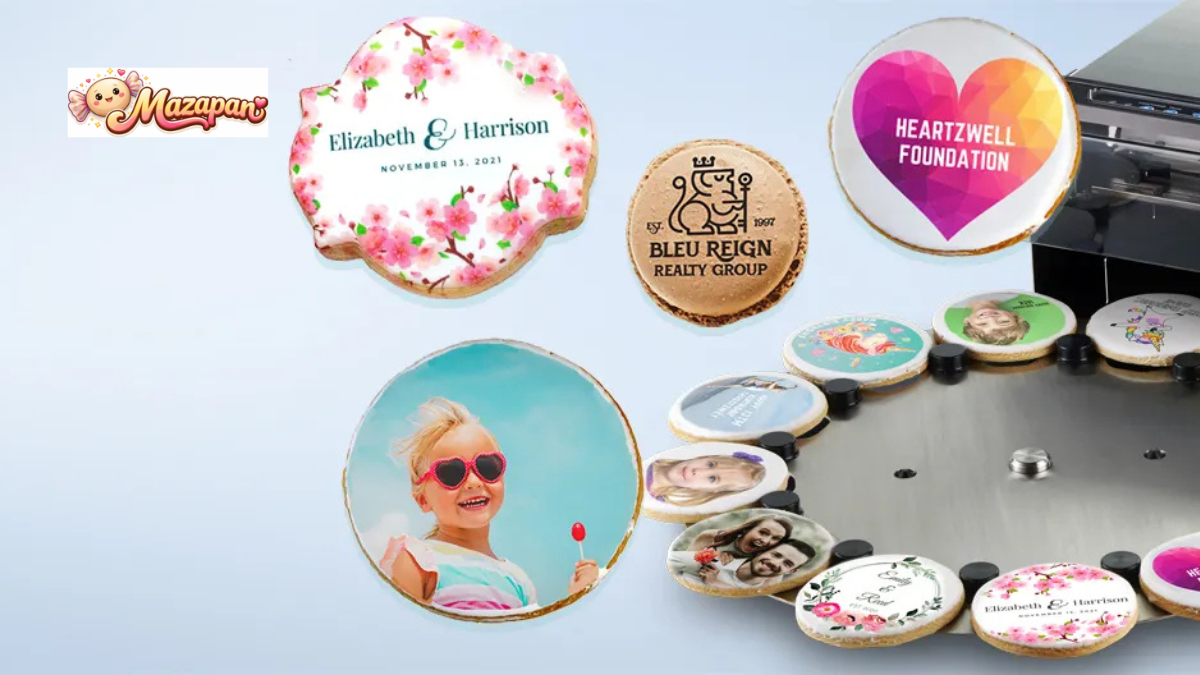
edible printer for cookies decorating has transformed dramatically over the last few years, and one of the most exciting innovations in the baking industry is the edible printer for cookies. Whether you are a home baker creating treats for family celebrations or a professional bakery owner managing large custom orders, edible printing technology can completely change the way you decorate cookies. From vibrant logos and cartoon characters to personalized wedding favors and photo cookies, edible printers allow bakers to create flawless edible designs with impressive speed and accuracy.
The growing popularity of edible printing is largely driven by customer demand for customized desserts. People no longer want ordinary cookies; they want memorable treats designed specifically for birthdays, corporate events, baby showers, weddings, and seasonal holidays. An edible printer for cookies makes this possible by turning digital artwork into edible decorations that look professional and visually stunning. Instead of spending hours hand-piping designs with icing, bakers can print detailed images directly onto edible sheets and apply them to cookies within minutes.
Another major advantage of edible printing is consistency. Traditional cookie decorating requires significant artistic skill and patience, especially when producing large quantities. With an edible printer, every cookie can have the same clean, polished appearance. This consistency is especially valuable for bakery businesses that need to maintain high-quality standards while increasing production efficiency. As the baking world becomes more competitive, edible printing gives businesses an opportunity to stand out with unique and eye-catching products.
In this comprehensive guide, you will learn everything you need to know about choosing, using, and maintaining an edible printer for cookies. From understanding how edible printing works to discovering creative design ideas and troubleshooting common issues, this article will help beginners and experienced bakers make informed decisions and improve their cookie decorating skills.
What Is an Edible Printer for Cookies?
An edible printer for cookies is a specialized printer designed to produce edible images using food-safe ink and edible paper. Unlike standard office printers, edible printers use certified edible ink cartridges filled with food coloring ingredients that are safe for consumption. These printers work similarly to regular inkjet printers but are dedicated exclusively to edible printing to maintain hygiene and food safety standards.
The printer transfers digital designs onto frosting sheets, wafer paper, or transfer sheets that can later be placed on cookies. Bakers can print photographs, company logos, custom text, floral artwork, cartoon themes, or almost any image imaginable. This technology opens endless possibilities for cookie decorating and helps bakers create highly customized edible products with precision.
There are several types of edible printers available on the market. Some are compact and affordable models designed for hobby bakers, while others are high-capacity commercial printers built for bakery production. Home-use edible printers are usually lightweight, easy to maintain, and ideal for small projects. Commercial edible printers, on the other hand, are designed for faster printing speeds and larger printing volumes.
Direct-to-food printers are another advanced option in the edible printing industry. These printers can print directly onto the surface of cookies, cakes, macarons, and other desserts without requiring edible sheets. Although these machines are more expensive, they offer exceptional convenience for professional bakeries seeking maximum efficiency.
Benefits of Using an Edible Printer for Cookies
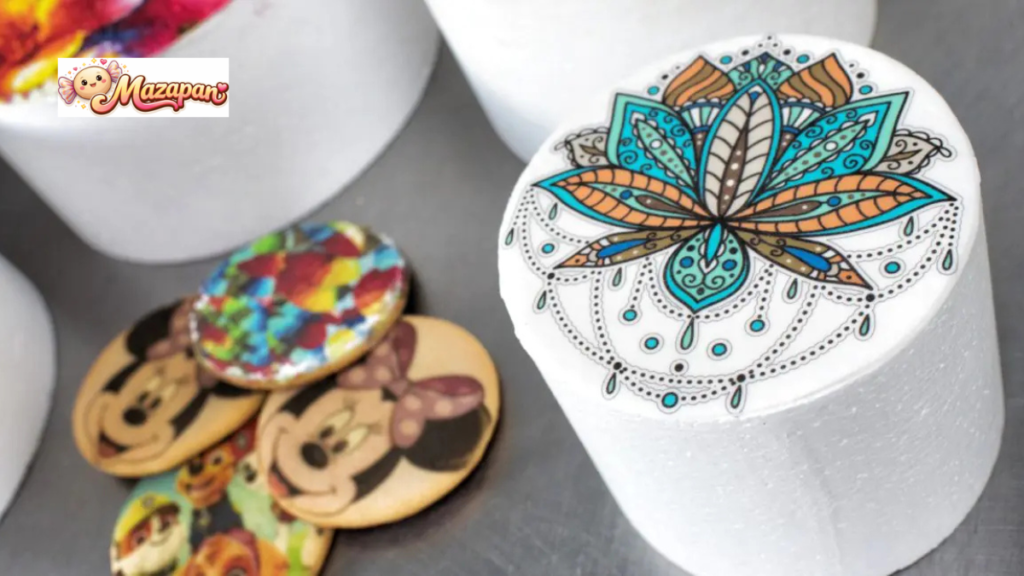
One of the biggest benefits of using an edible printer for cookies is the ability to save time. Traditional cookie decorating techniques often involve intricate piping, painting, or stencil work that can take hours to complete. Edible printing dramatically speeds up the decorating process by allowing bakers to create detailed designs in minutes. This is especially useful during busy holiday seasons or when handling large event orders.
Edible printers also help bakers achieve professional-quality results. High-resolution printing technology creates sharp lines, vibrant colors, and detailed images that are difficult to replicate by hand. Even beginners with limited decorating experience can produce bakery-quality cookies using edible printing systems. This accessibility has encouraged many home bakers to start custom cookie businesses from home.
Customization is another major advantage. Personalized cookies are extremely popular for birthdays, weddings, anniversaries, baby showers, and corporate events. Customers love seeing names, photos, logos, and themed artwork printed directly onto cookies. Edible printers allow bakers to quickly adapt designs based on customer preferences, creating unique treats for every occasion.
For bakery businesses, edible printing can also improve profitability. Since the decorating process becomes faster and more efficient, bakeries can fulfill more orders in less time. Offering custom edible prints can justify premium pricing because customers are willing to pay extra for personalized desserts. This combination of efficiency and creativity makes edible printing a valuable investment for modern baking businesses.
Key Features to Look for in an Edible Printer for Cookies
When choosing an edible printer for cookies, print quality should be one of the first factors to consider. High-resolution printers produce clearer images with better color accuracy and sharper details. A printer with strong DPI capabilities is especially important if you plan to print photographs, logos, or intricate designs on cookies.
Compatibility with edible supplies is another essential feature. Some printers work better with frosting sheets, while others handle wafer paper more effectively. Frosting sheets are generally preferred for cookies because they create vibrant colors and smooth finishes. Wafer paper is thinner and works best for delicate decorative effects. Understanding which materials your printer supports will help you achieve the best results.
Ease of maintenance is also extremely important. Edible ink can clog printer nozzles if the printer is not used regularly or cleaned properly. A user-friendly printer with easy cartridge replacement and cleaning functions can save time and reduce frustration. Some modern edible printers even include automatic maintenance systems to prevent clogging.
Connectivity and software features can improve the overall user experience. Wireless printing capabilities, mobile app integration, and design editing software make it easier to customize cookie artwork. Some printers also support cloud-based design tools that simplify the printing process for beginners and professionals alike.
How to Use an Edible Printer for Cookies
Using an edible printer for cookies starts with preparing the cookies themselves. Smooth, flat cookies work best because uneven surfaces can affect the final appearance of edible images. Most bakers use sugar cookies covered with royal icing or fondant because these surfaces provide an ideal base for edible sheets.
Once the cookies are ready, the edible printer must be prepared. Bakers install edible ink cartridges and load frosting sheets or wafer paper into the printer tray. It is important to handle edible paper carefully because moisture and fingerprints can damage the sheets before printing.
The next step involves selecting and editing the desired design. Bakers can use graphic design software, online templates, or even smartphone apps to create custom artwork. After adjusting image size and print settings, the design is printed onto the edible sheet. High-quality images with proper color settings usually produce the best results.
After printing, the edible image is carefully cut and applied to the cookie surface. A small amount of moisture from royal icing or edible glue helps the image adhere smoothly. Bakers should avoid touching the printed area excessively to prevent smudging. Once applied, the cookies should dry completely before packaging or serving.
Creative Ideas for Edible Cookie Printing
Edible printers open endless creative opportunities for cookie decorating. Personalized birthday cookies are among the most popular choices because they allow bakers to include names, photos, favorite cartoon characters, and themed artwork. These cookies often become the highlight of birthday dessert tables and party favors.
Wedding cookies are another growing trend in edible printing. Couples frequently request monograms, floral patterns, engagement photos, and elegant designs printed onto cookies for wedding favors. Custom edible prints help create sophisticated desserts that match wedding themes perfectly.
Corporate branding cookies are highly effective for marketing events and business promotions. Companies often order cookies featuring logos, slogans, or product images for conferences, product launches, and holiday gifts. Professionally printed cookies leave a memorable impression and strengthen brand identity.
Seasonal cookie collections are also extremely popular. Bakers can quickly create Halloween cookies, Christmas treats, Valentine’s Day desserts, and Easter-themed designs using edible printing technology. Because designs can be changed instantly, edible printers allow bakers to stay creative and adapt to changing trends throughout the year.
Conclusion
An edible printer for cookies is a powerful tool that combines creativity, efficiency, and modern technology. Whether you are a hobby baker experimenting with personalized treats or a professional bakery owner looking to expand your business, edible printing can significantly improve your decorating capabilities. With vibrant edible images, faster production times, and endless customization possibilities, edible printers have become an essential investment in the world of cookie decorating.
Choosing the right edible printer depends on your goals, budget, and production needs. By understanding the key features, maintenance requirements, and creative possibilities of edible printing, bakers can confidently select the best equipment for their projects. As personalized desserts continue to grow in popularity, edible printers offer an exciting opportunity to create memorable cookies that delight customers and stand out in the competitive baking industry.
Frequently Asked Questions (FAQs)
What is the best edible printer for cookies for beginners?
Beginner bakers usually prefer compact inkjet edible printers because they are affordable, easy to use, and simple to maintain.
Are edible inks safe to consume?
Yes, edible inks are made with food-grade ingredients approved for consumption when purchased from reputable suppliers.
Can edible printers print directly on cookies?
Some advanced direct-to-food printers can print directly onto cookies, although most edible printers use frosting sheets or wafer paper.
What type of cookies work best with edible images?
Smooth sugar cookies covered with royal icing or fondant provide the best surface for edible image application.
How long do edible printed cookies last?
Properly stored edible printed cookies can remain fresh for several weeks depending on ingredients and storage conditions.
Is an edible printer worth it for a bakery business?
Yes, edible printers can improve productivity, increase customization options, and help bakeries generate higher profits through personalized orders.
Also Read: burn away cake topper