
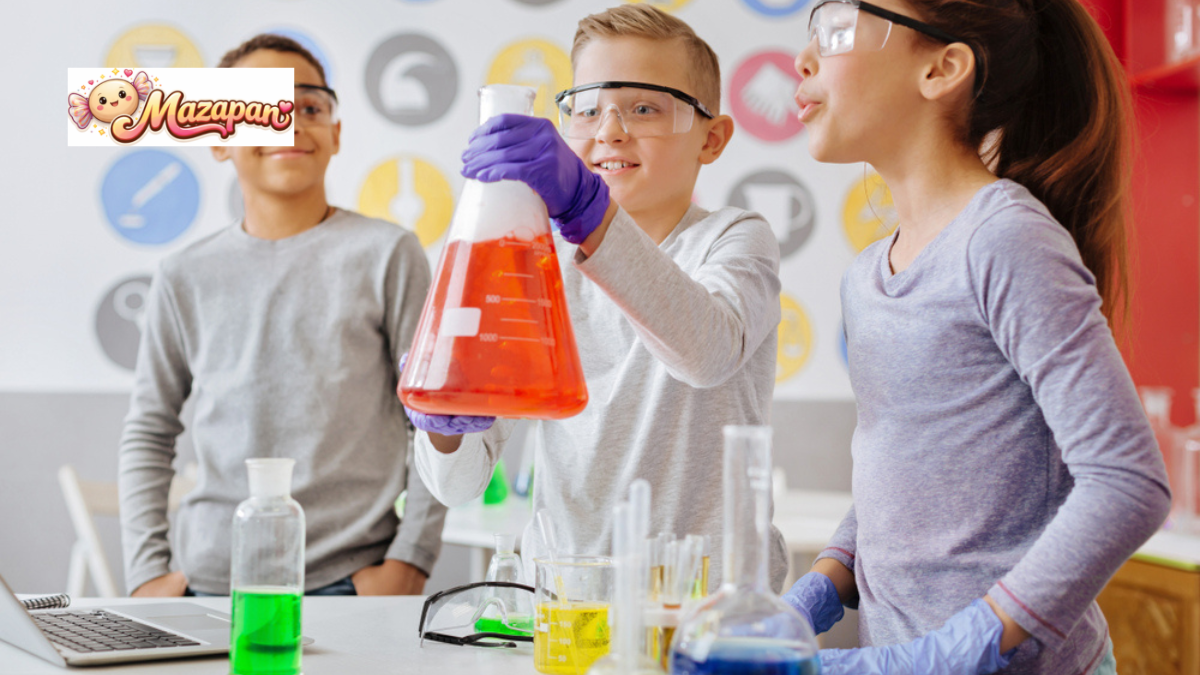
Introduction: Why Fun Chemistry Experiments Matter
Fun chemistry experiments are one of the most engaging ways to introduce science to learners of all ages. Instead of memorizing formulas and theories, students can actually see chemical reactions happen in real time. This hands-on approach transforms abstract concepts into something visual, exciting, and easy to understand. Whether it is a bubbling reaction or a color-changing solution, these experiments create a sense of curiosity that textbooks alone often cannot achieve.
Chemistry is present in almost everything we do in daily life—from cooking food to cleaning surfaces and even breathing. Fun chemistry experiments help learners connect classroom knowledge with real-world applications. When students observe how substances react, change color, or produce gas, they begin to understand the “why” behind everyday phenomena. This builds a strong foundation for scientific thinking and problem-solving skills.
Another important aspect of fun chemistry experiments is that they make learning enjoyable. Many students fear science because they think it is too difficult or complex. However, when experiments are introduced in a playful and interactive way, that fear turns into curiosity. This curiosity is the first step toward deeper learning and long-term interest in STEM fields.
Essential Safety Rules for Fun Chemistry Experiments
Safety is the most important part of any chemistry activity, especially when conducting fun chemistry experiments at home or in a classroom. Even though many experiments use common household items, they still involve reactions that must be handled carefully. Wearing protective gear such as gloves and goggles helps prevent accidental contact with substances that may irritate the skin or eyes.
Another key safety rule is to always work under adult supervision, particularly for children. Adults can ensure that materials are used correctly and that no unsafe combinations are created. Even simple ingredients like vinegar, baking soda, or lemon juice can behave unpredictably when mixed in large quantities or incorrect ratios.
It is also essential to prepare a clean and organized workspace before starting any experiment. A clutter-free area reduces the risk of spills and accidents. Additionally, proper disposal of leftover materials ensures that no harmful residue is left behind. By following these basic safety guidelines, fun chemistry experiments can remain both educational and completely safe for everyone involved.
Easy Fun Chemistry Experiments Using Household Items
Baking Soda and Vinegar Volcano
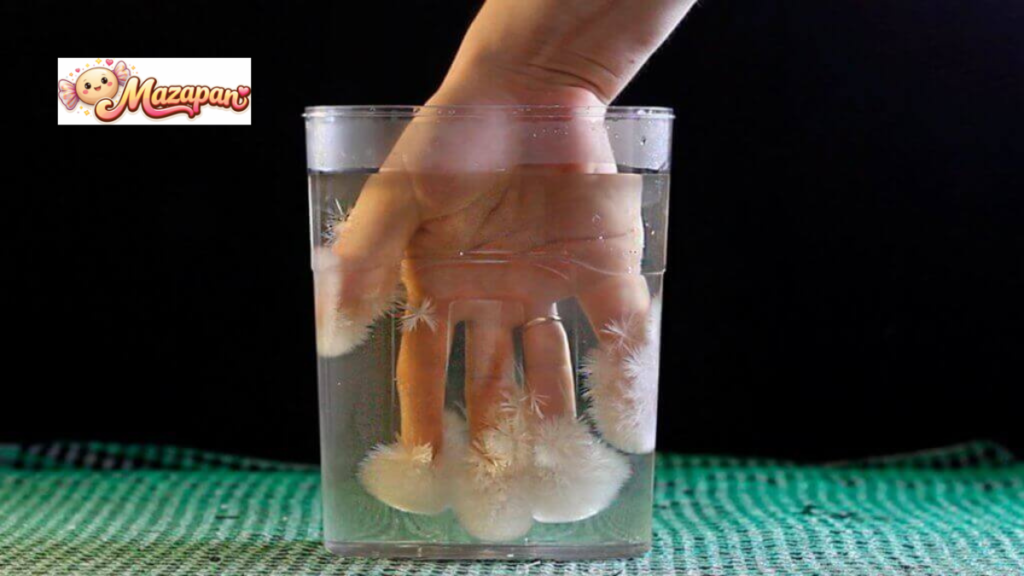
One of the most popular fun chemistry experiments is the baking soda and vinegar volcano. This experiment creates an exciting eruption that mimics a real volcanic reaction. When baking soda (a base) reacts with vinegar (an acid), carbon dioxide gas is released, causing bubbling and foaming.
This experiment is not only visually entertaining but also educational. It helps learners understand acid-base reactions in a simple and memorable way. The eruption effect makes it especially appealing for younger students who enjoy dramatic science demonstrations.
Color-Changing Milk Experiment
Another fascinating experiment involves milk, food coloring, and dish soap. When dish soap is added to colored milk, it breaks the surface tension and causes the colors to swirl dramatically. This creates a beautiful visual effect that looks almost magical.
The science behind this experiment lies in the interaction between fat molecules in milk and soap molecules. It demonstrates how surface tension works and how molecules move when disturbed. This makes it one of the most visually impressive fun chemistry experiments for beginners.
Invisible Ink with Lemon Juice
Invisible ink is a classic experiment where lemon juice is used to write secret messages. Once the writing dries, it becomes invisible. However, when heat is applied, the hidden message appears due to oxidation.
This experiment teaches learners about chemical changes caused by heat. It is simple, fun, and encourages creativity, making it perfect for school projects or playful learning sessions.
Intermediate Fun Chemistry Experiments for Deeper Learning
Crystal Growing Experiment
Crystal growing is one of the most rewarding fun chemistry experiments because it requires patience and observation. By dissolving salt or sugar in water and allowing it to cool slowly, crystals begin to form over time.
This experiment demonstrates the concept of saturation and crystallization. Students can observe how solid structures form from liquid solutions, making it an excellent long-term science project.
Slime Making Chemistry
Making slime is a favorite activity among children and also a great way to learn chemistry. When glue is mixed with an activator like borax solution, long polymer chains form, creating a stretchy and flexible substance.
This experiment introduces the concept of polymers in a very hands-on way. It shows how molecules can bond to create new textures and materials, making it both fun and educational.
Egg in Vinegar Experiment
In this experiment, a raw egg is soaked in vinegar for several days. The vinegar reacts with the calcium carbonate in the eggshell, slowly dissolving it and leaving behind a rubbery membrane.
This demonstrates chemical reactions and osmosis. It also helps students understand how acids interact with minerals, making it one of the most insightful fun chemistry experiments for intermediate learners.
Fun Chemistry Experiments for School Projects and Science Fairs
Fun chemistry experiments are perfect for school science fairs because they are visually engaging and easy to demonstrate. Choosing an experiment with a strong visual effect, such as a volcano or color reaction, can instantly capture attention.
Students should also focus on presenting their experiments clearly by including a hypothesis, procedure, observation, and conclusion. This structured approach helps judges understand the scientific thinking behind the project. Adding charts, diagrams, or posters can further enhance the presentation.
Interactive demonstrations are also highly effective. Allowing the audience to participate or predict outcomes makes the experiment more engaging and memorable. This not only improves communication skills but also shows a deeper understanding of the scientific process.
Educational Benefits of Fun Chemistry Experiments
Fun chemistry experiments play a crucial role in developing critical thinking skills. When students observe reactions, they learn to analyze cause and effect relationships. This helps them understand not just what happens, but why it happens.
These experiments also improve memory retention. Instead of reading theory, students experience science directly, which makes concepts easier to remember. Visual and hands-on learning has been proven to strengthen long-term understanding.
Additionally, fun chemistry experiments encourage creativity. Students often experiment with variations, leading to new discoveries and ideas. This creative exploration builds confidence and interest in STEM education.
Tips for Making Chemistry Experiments More Engaging
To make fun chemistry experiments more exciting, presentation plays an important role. Adding colors, storytelling, or real-life examples can make the experience more immersive. For example, describing a volcano experiment as a “mini eruption” makes it more dramatic and fun.
Encouraging students to make predictions before starting the experiment also increases engagement. When they guess the outcome, they become more involved in the learning process and more curious about the results.
Recording experiments using videos or photos is another great idea. It allows learners to review their work and share it with others, making science a more social and interactive experience.
Common Mistakes to Avoid in Chemistry Experiments
One of the most common mistakes in fun chemistry experiments is ignoring safety instructions. Even simple materials can become risky if not handled properly. Following guidelines ensures a safe learning environment.
Another mistake is using incorrect measurements. Chemistry relies on balance and proportion, so even small changes can affect the results. Precision is important for achieving accurate and consistent outcomes.
Rushing through experiments is also a frequent error. Observing changes carefully is essential for understanding the science behind the reaction. Patience plays a big role in successful experimentation.
Conclusion
Fun chemistry experiments are an excellent way to make science engaging, practical, and enjoyable. They help learners understand complex scientific concepts through simple and interactive activities. Whether performed at home or in a classroom, these experiments encourage curiosity and hands-on learning.
By combining safety, creativity, and observation, students can develop a strong interest in science. These experiments not only improve academic understanding but also build essential life skills such as critical thinking and problem-solving. Exploring chemistry in a fun way opens the door to a lifelong appreciation of science.
FAQs
What are fun chemistry experiments?
They are simple, hands-on science activities that demonstrate chemical reactions in an engaging and enjoyable way.
Are fun chemistry experiments safe for kids?
Yes, most are safe when using household materials and proper adult supervision is provided.
What materials are commonly used in chemistry experiments at home?
Common materials include baking soda, vinegar, lemon juice, milk, food coloring, and salt.
Can I do chemistry experiments without a lab?
Yes, many fun chemistry experiments can be safely done at home or in a classroom.
Why are chemistry experiments important for students?
They help students understand scientific concepts through practical experience, improving learning and retention.
Also Read: fruits that start with r in spanish