
Introduction to VMC Paloma
The vmc paloma nutrition facts has gained attention as a refreshing, ready-to-drink cocktail-style beverage inspired by the classic Mexican Paloma. Known for its citrus-forward flavor profile, it blends grapefruit notes with a light alcoholic base, making it a popular choice among consumers looking for convenient premixed drinks. As the demand for packaged cocktails grows globally, understanding the VMC Paloma nutrition facts becomes essential for health-conscious individuals who want to enjoy social drinking without losing track of their dietary goals.
In today’s beverage market, transparency in nutrition has become just as important as taste. Consumers are no longer satisfied with just flavor—they want to know calorie content, sugar levels, and potential health effects. vmc paloma nutrition facts fits into a growing category of alcoholic drinks that balance convenience with flavor, but it also raises important questions about moderation, ingredients, and long-term health impact. This article explores everything in detail so you can make informed decisions before your next sip.
What Is VMC Paloma Made Of?
vmc paloma nutrition facts is typically crafted to replicate the taste of a traditional Paloma cocktail, which is originally made with tequila and grapefruit soda. In its ready-to-drink version, the beverage is formulated with a blend of alcohol base, citrus flavoring, carbonation, and sweeteners to achieve a consistent and smooth taste. The grapefruit element is usually the dominant flavor, giving it a slightly tangy and refreshing profile that appeals to summer and social drinking occasions.
Beyond the core ingredients, vmc paloma nutrition facts may also include stabilizers, flavor enhancers, and sweetening agents to ensure shelf stability and taste consistency. These ingredients help maintain flavor uniformity across batches, especially in mass production. While the drink aims to mimic a freshly mixed cocktail, it is important to note that the processed nature of ready-to-drink beverages often introduces additional components not found in traditional homemade versions. This difference plays a significant role in the overall VMC Paloma nutrition facts, especially in terms of sugar and calorie content.
VMC Paloma Nutrition Facts Overview
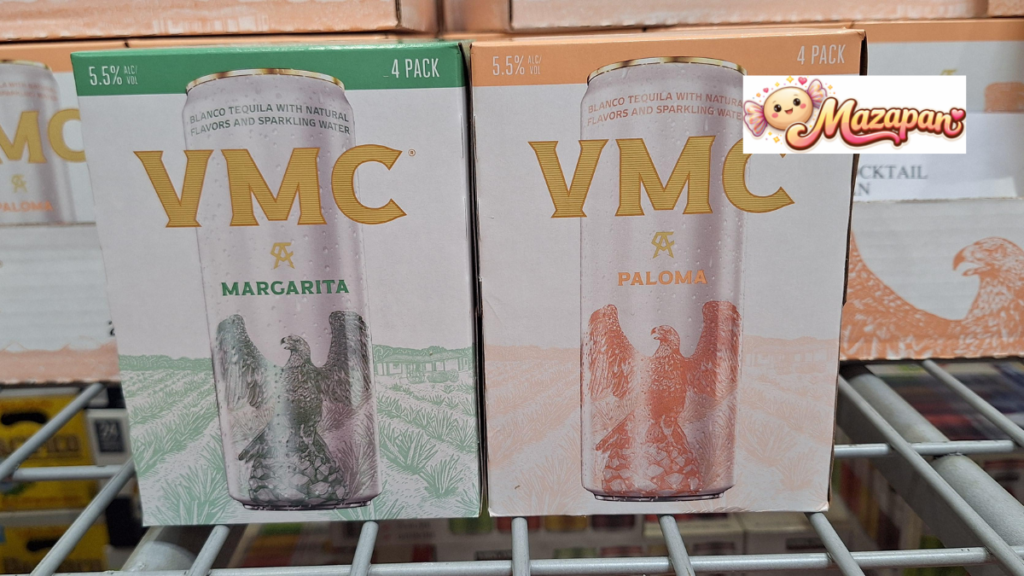
When analyzing the VMC Paloma nutrition facts, one of the most important factors to consider is calorie content. A standard serving typically contains a moderate calorie range, primarily derived from alcohol and added sugars. These calories can add up quickly if multiple servings are consumed, making portion awareness essential for those tracking their daily intake. Unlike non-alcoholic beverages, alcohol contributes what are often called “empty calories,” meaning they provide energy without significant nutritional value.
Carbohydrates and sugar content are also key components of its nutritional profile. Most of the sweetness invmc paloma nutrition facts comes from added sugars or sweetened flavor bases used to replicate grapefruit soda. This can result in a higher sugar intake than expected from a drink that tastes light and refreshing. Additionally, the alcohol by volume (ABV) plays a direct role in both calorie density and metabolic impact. Even though sodium, vitamins, and minerals are typically minimal or absent, understanding the full breakdown helps consumers make better lifestyle choices when including such beverages in their diet.
Health Impact of VMC Paloma
The health impact of vmc paloma nutrition facts largely depends on frequency and quantity of consumption. From a calorie perspective, regular intake without moderation can contribute to weight gain over time, especially when combined with other dietary sources of sugar and alcohol. Since alcohol slows down fat metabolism, it can also affect how efficiently the body processes food energy, making it more challenging for individuals trying to manage weight or maintain fitness goals.
Sugar content is another important consideration. High sugar intake is linked to various health concerns, including energy spikes, crashes, and long-term metabolic issues if consumed excessively. Additionally, alcohol itself has a dehydrating effect on the body, which can contribute to fatigue or reduced physical performance. While vmc paloma nutrition facts can be enjoyed responsibly in social settings, it is generally not recommended as a frequent beverage choice for individuals focused on strict nutritional control or health optimization. Moderation is the key factor that determines whether it fits into a balanced lifestyle.
VMC Paloma Compared to Other Ready-to-Drink Beverages
When compared to beer, wine, or other canned cocktails, VMC Paloma typically falls into a similar category in terms of calorie content, though variations exist depending on brand formulation. Beer may have a slightly lower alcohol concentration but can still carry comparable calories per serving, while wine often contains fewer carbs but higher alcohol density. Ready-to-drink cocktails like VMC Paloma tend to have a balanced mix of alcohol and sweetness, which can increase overall carbohydrate intake.
One of the main differences lies in taste and convenience. Unlike beer or wine, vmc paloma nutrition facts is designed to deliver a cocktail-like experience without preparation. However, this convenience often comes at the cost of added sugars and flavor enhancers. For consumers comparing options, it is important to evaluate both nutritional labels and drinking habits. Those looking for lower-calorie alternatives may prefer light beers or dry wines, while others prioritize flavor consistency and ease of consumption over strict nutritional differences.
Conclusion
The VMC Paloma nutrition facts reveal a beverage that sits between indulgence and convenience. It offers a refreshing flavor profile inspired by a classic cocktail, but it also contains calories, sugars, and alcohol that should be considered as part of a balanced diet. While it can be enjoyed occasionally in social settings, awareness of its nutritional content is essential for maintaining overall health and wellness.
Ultimately, vmc paloma nutrition facts is best enjoyed in moderation. Understanding its ingredients and nutritional impact allows consumers to make informed decisions rather than consuming blindly. Whether you are tracking calories, managing sugar intake, or simply aiming for healthier lifestyle choices, being mindful of what you drink is just as important as what you eat.
FAQs
How many calories are in VMC Paloma?
A standard serving contains a moderate calorie range, mostly from alcohol and added sugars, but exact values may vary by product formulation.
Is VMC Paloma high in sugar?
Yes, it generally contains added sugars to enhance its grapefruit-like flavor, which can contribute significantly to carbohydrate intake.
What is the alcohol content of VMC Paloma?
It typically contains a moderate alcohol by volume (ABV), similar to other ready-to-drink cocktails.
Can I drink VMC Paloma on a diet?
Yes, but only in moderation. It should be accounted for within your daily calorie and sugar limits.
How does VMC Paloma compare to beer or wine?
It is usually similar in calories to beer but may contain more sugar than wine due to flavoring.
Is VMC Paloma suitable for daily consumption?
Daily consumption is not recommended due to alcohol and sugar content; occasional use is preferable.
Does VMC Paloma contain artificial ingredients?
It may include flavorings, sweeteners, and stabilizers depending on the brand formulation.
Also Read: water bottle design