Introduction
Water bottle design has evolved far beyond a simple container for hydration. Today, it represents a blend of functionality, branding, sustainability, and lifestyle appeal. Whether used for sports, office routines, or outdoor adventures, a well-designed water bottle enhances user experience while reflecting modern environmental awareness.
In recent years, the demand for reusable bottles has increased significantly as people shift toward eco-friendly alternatives. This shift has encouraged brands to invest heavily in innovative water bottle design strategies that combine durability, aesthetics, and convenience. As a result, water bottles are no longer just utility items—they are fashion accessories, fitness companions, and even smart devices.
Good design directly impacts how consumers perceive a product. From shape and material to color and usability, every detail matters. A thoughtfully designed bottle can build brand loyalty, improve customer satisfaction, and stand out in a highly competitive market.
Understanding Water Bottle Design Fundamentals
At its core, water bottle design focuses on creating a container that is practical, comfortable, and visually appealing. It involves careful planning of structure, usability, and overall user experience.
The shape and structure of a bottle play a major role in its success. A slim bottle may be ideal for travel, while a wider one suits fitness users who need higher capacity. Ergonomics is equally important; bottles should be easy to hold, carry, and drink from without causing discomfort during use.
Capacity is another key factor in design. Common sizes range from 250ml to over 1 liter, depending on the target audience. Designers must balance portability with hydration needs to create a product that fits daily routines seamlessly.
Types of bottles also influence design decisions. Plastic bottles are lightweight and affordable, stainless steel options offer durability and insulation, while glass bottles provide a premium and clean drinking experience. Each type requires a different approach to water bottle design to maximize performance and appeal.
Materials Used in Water Bottle Design
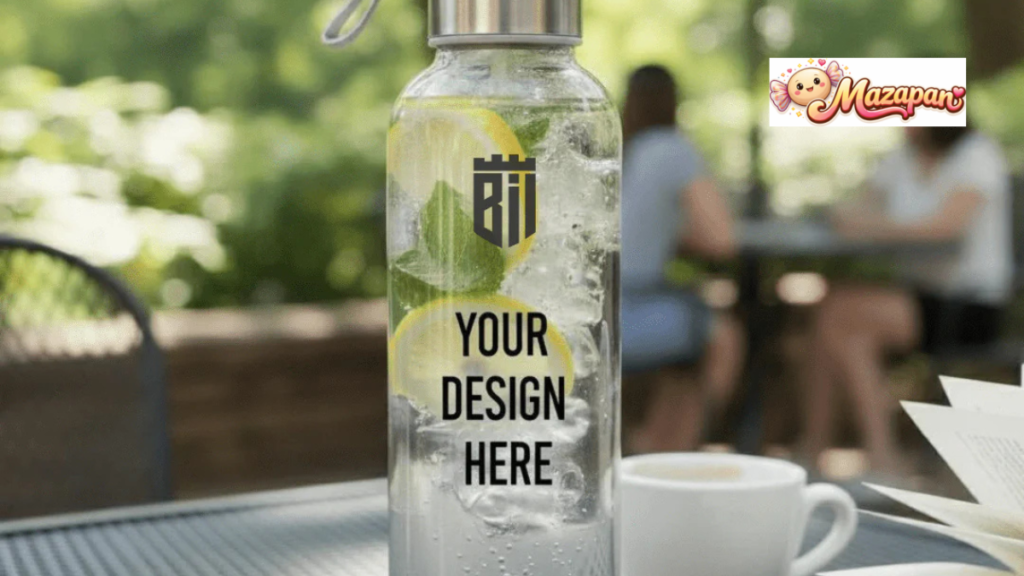
Material selection is one of the most critical aspects of water bottle design because it affects durability, safety, and environmental impact.
Plastic bottles, especially BPA-free variants, are widely used due to their lightweight nature and cost efficiency. However, concerns about environmental sustainability have pushed designers to explore alternatives. Stainless steel has become increasingly popular because it offers excellent durability and temperature control, making it ideal for hot and cold beverages.
Glass bottles are another premium option, valued for their purity and taste preservation. However, they are heavier and more fragile, which limits their use in active lifestyles. Silicone-based collapsible bottles are also gaining attention for their flexibility and portability.
Each material comes with advantages and limitations. While plastic is affordable, it may not be environmentally friendly. Stainless steel is durable but heavier. Glass is clean but fragile. Designers must carefully choose materials based on the intended audience, usage conditions, and sustainability goals when developing effective water bottle design solutions.
Aesthetics and Branding in Water Bottle Design
Aesthetics play a crucial role in how consumers perceive water bottles. In a competitive market, visual appeal often determines whether a product stands out or gets overlooked.
Color selection is a powerful tool in design. Bright colors can attract younger audiences, while neutral tones like black, white, or pastel shades appeal to minimalist preferences. Typography and labeling also contribute to brand identity, helping companies communicate their values clearly.
Customization has become a growing trend in modern water bottle design. Brands now offer personalized bottles with names, logos, or unique artwork. This not only enhances emotional connection but also strengthens brand loyalty.
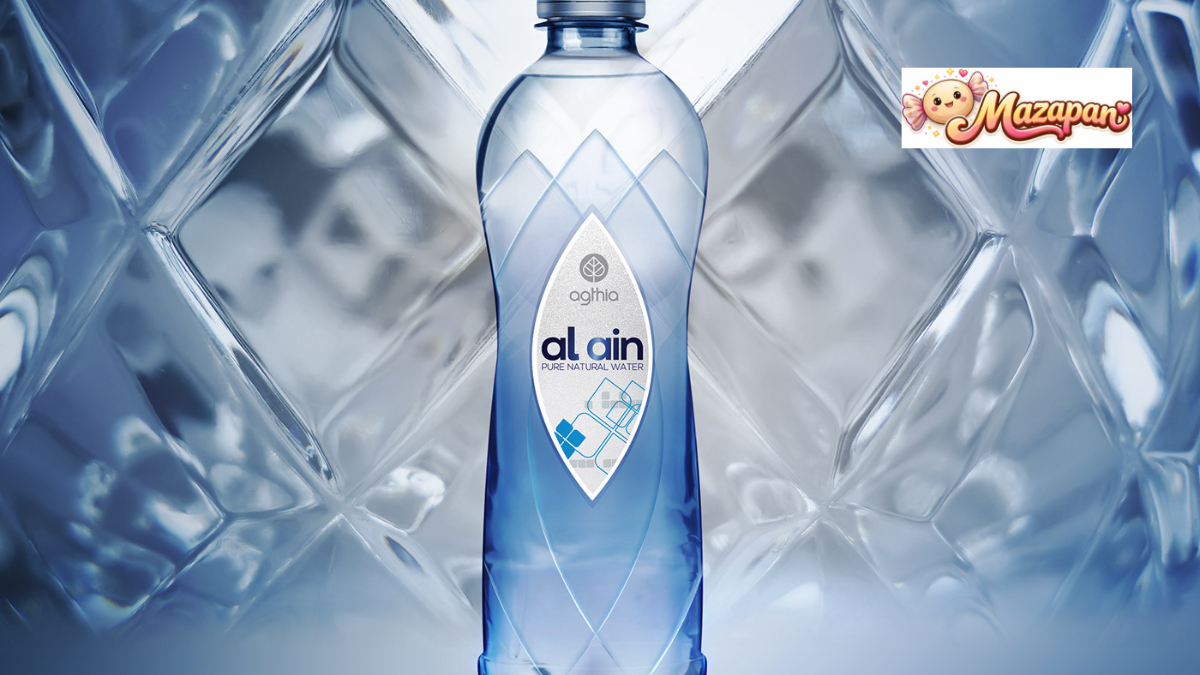
Design trends continue to evolve, with minimalist styles gaining popularity. Transparent bottles, matte finishes, and sleek silhouettes are widely preferred for their clean and modern look. These aesthetic choices are no longer just decorative—they are essential elements of successful branding strategies.
Functional Features and Innovation
Functionality is at the heart of effective water bottle design. A visually appealing bottle must also be practical and easy to use in everyday life.
Lid and cap designs are especially important. Screw caps provide security, flip-top lids offer convenience, and straw lids improve ease of drinking during movement. Leak-proof technology is now a standard expectation among consumers.
Temperature control is another major innovation area. Double-wall insulation and vacuum-sealed designs help maintain beverage temperature for extended periods, making bottles suitable for both hot coffee and cold water.
Smart water bottles represent the future of hydration technology. These advanced bottles can track water intake, send reminders via mobile apps, and even glow to encourage hydration. Such innovations are transforming traditional water bottle design into interactive lifestyle products.
Sustainability and Eco-Friendly Design
Sustainability is one of the most important drivers in modern product development. With increasing awareness of plastic pollution, eco-friendly water bottle design has become a global priority.
Reusable bottles significantly reduce single-use plastic waste. Designers are now focusing on recyclable and biodegradable materials to minimize environmental impact. Stainless steel and glass are often preferred for their long lifespan and recyclability.
Sustainable design also emphasizes durability. A well-made bottle that lasts for years reduces the need for replacements, ultimately decreasing waste. Brands are increasingly adopting eco-conscious production methods, such as reducing packaging and using recycled materials.
Consumers today actively seek environmentally responsible products. As a result, sustainability is no longer optional—it is a core requirement in successful water bottle design strategies.
Manufacturing and Production Considerations
The journey from concept to finished product involves several important manufacturing steps. Design for Manufacturing (DFM) ensures that bottles are not only well-designed but also cost-effective to produce at scale.
Prototyping is a critical stage where designers test ideas using 3D modeling or physical samples. This helps identify design flaws and improve usability before mass production begins.
Testing ensures safety, durability, and user satisfaction. Bottles must meet health standards and regulatory requirements to ensure they are safe for everyday use. Quality control plays a major role in maintaining consistency across production batches.
Efficient manufacturing allows brands to balance cost and quality, making well-designed bottles accessible to a wider audience.
Conclusion
Water bottle design is a perfect blend of creativity, engineering, and sustainability. It goes beyond appearance, focusing on usability, material selection, innovation, and environmental responsibility. As consumer expectations continue to rise, brands must prioritize thoughtful and user-centered design to stay competitive.
The future of water bottle design lies in smart technology, eco-friendly materials, and personalized experiences. Companies that embrace these trends will not only improve user satisfaction but also contribute positively to the environment.
FAQs
What makes a good water bottle design?
A good design combines functionality, durability, aesthetics, and ease of use.
Which material is best for water bottles?
Stainless steel is often considered the best due to its durability and insulation properties.
How can I make my water bottle design eco-friendly?
Use recyclable materials, reduce plastic use, and focus on long-lasting designs.
What are the latest trends in water bottle design?
Smart bottles, minimalist aesthetics, and sustainable materials are trending.
Why is branding important in water bottle design?
Branding helps create identity, attract customers, and build loyalty.
Are smart water bottles worth it?
Yes, especially for users who want hydration tracking and lifestyle integration.
Also Read: healthy banana muffin recipe